
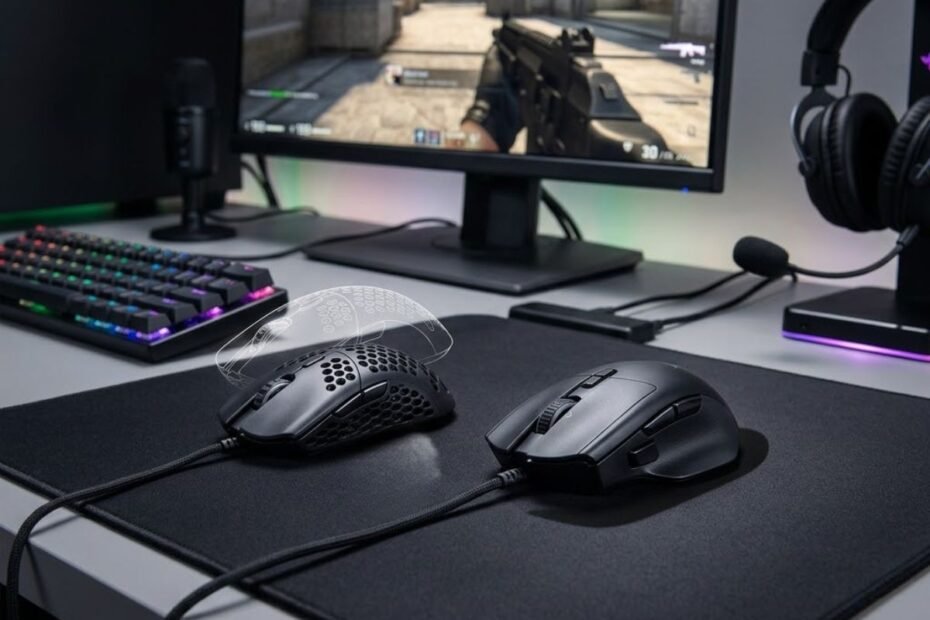
Choosing between a lightweight vs heavy gaming mouse is not just about picking the lighter or heavier option. It is about finding the mouse weight that matches your aim style, sensitivity, grip comfort, and the…
Choosing between a lightweight vs heavy gaming mouse is not just about picking the lighter or heavier option. It is about finding the mouse weight that matches your aim style, sensitivity, grip comfort, and the…
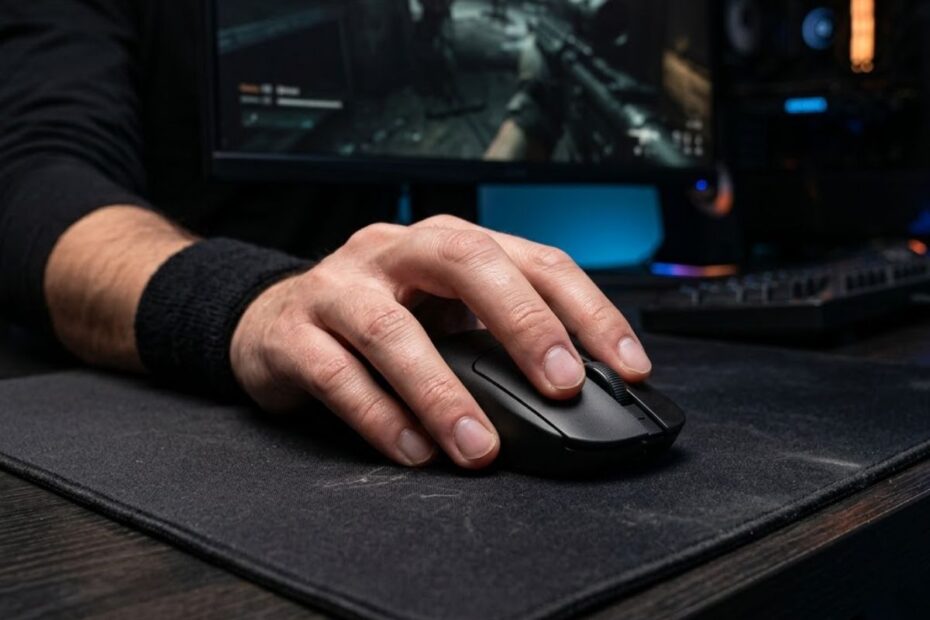
Fingertip grip is a mouse grip style where only the fingertips touch the mouse while the palm remains elevated. It helps FPS players perform quick directional changes, fast flicks, and precise micro-adjustments with less hand…
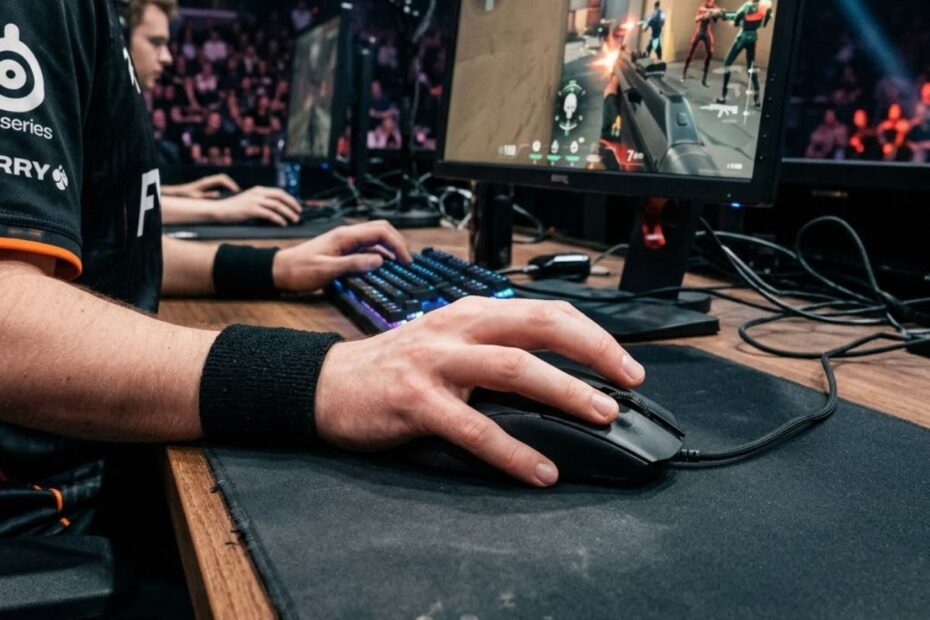
Palm grip is a mouse grip style where the entire palm rests on the mouse, helping FPS players achieve greater comfort, stability, and consistent control during long gaming sessions. If your hand naturally covers most…
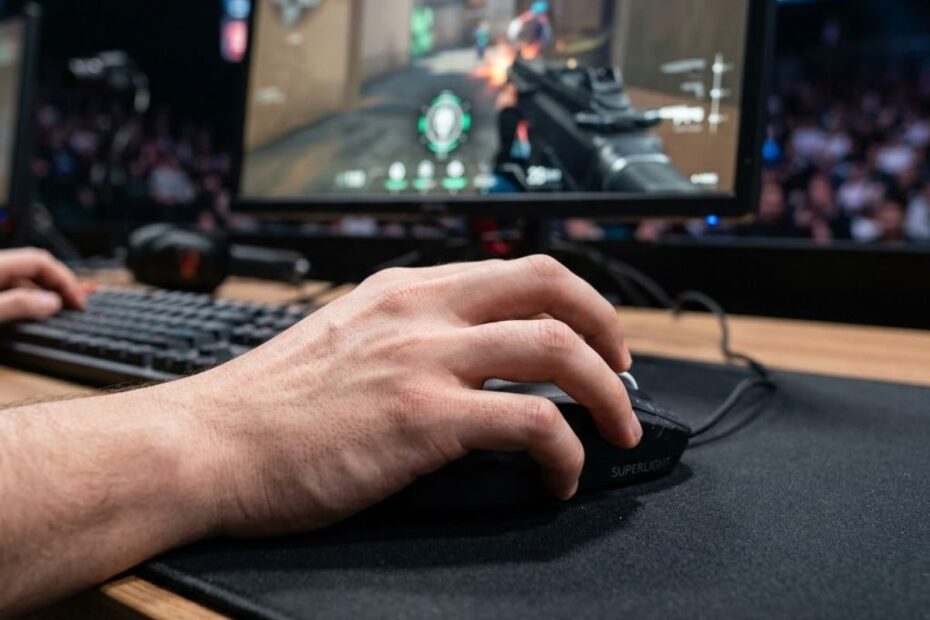
Claw grip is a mouse grip style where your palm lightly touches the rear of the mouse while your fingers arch upward like a claw. This grip helps FPS players combine fast mouse movement, quick…
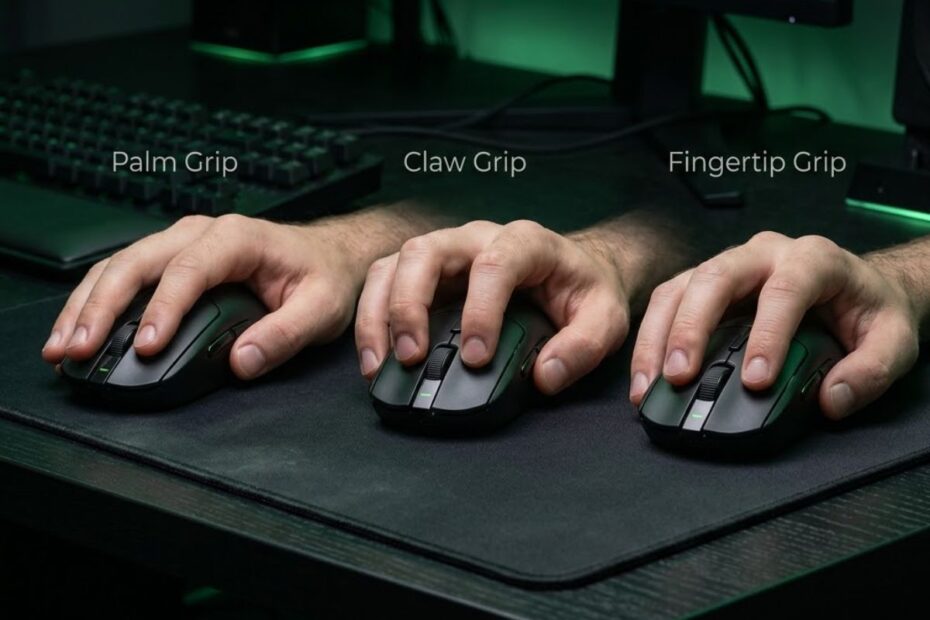
Choosing the right mouse grip style can have a bigger impact on FPS performance than many players realize. While gaming mice often get most of the attention, the way you hold the mouse directly affects…
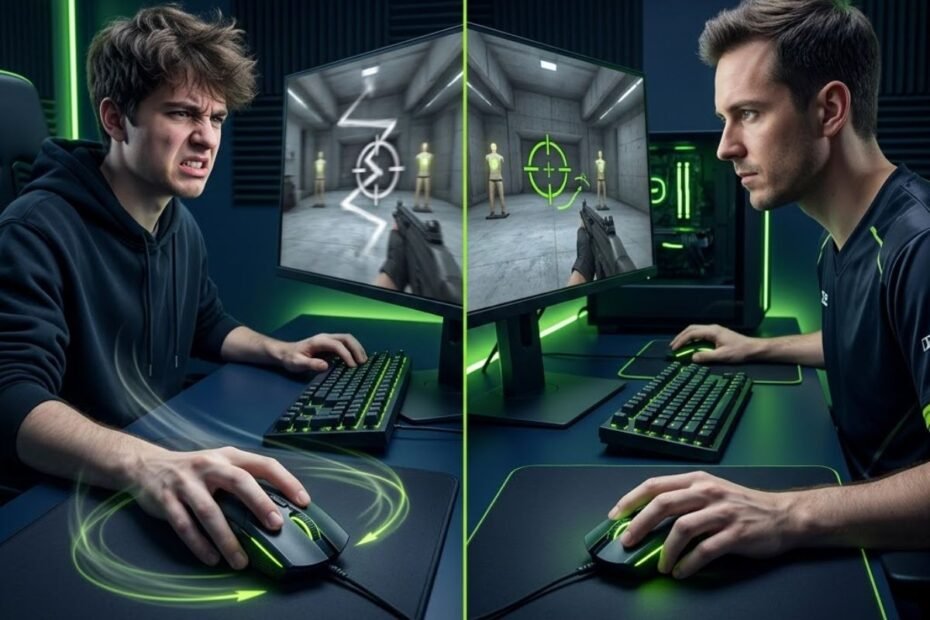
DPI mistakes beginners make are common setup errors that reduce aiming consistency and make FPS games feel harder than they should. Avoiding these mistakes helps new players develop better mouse control without constantly changing settings…
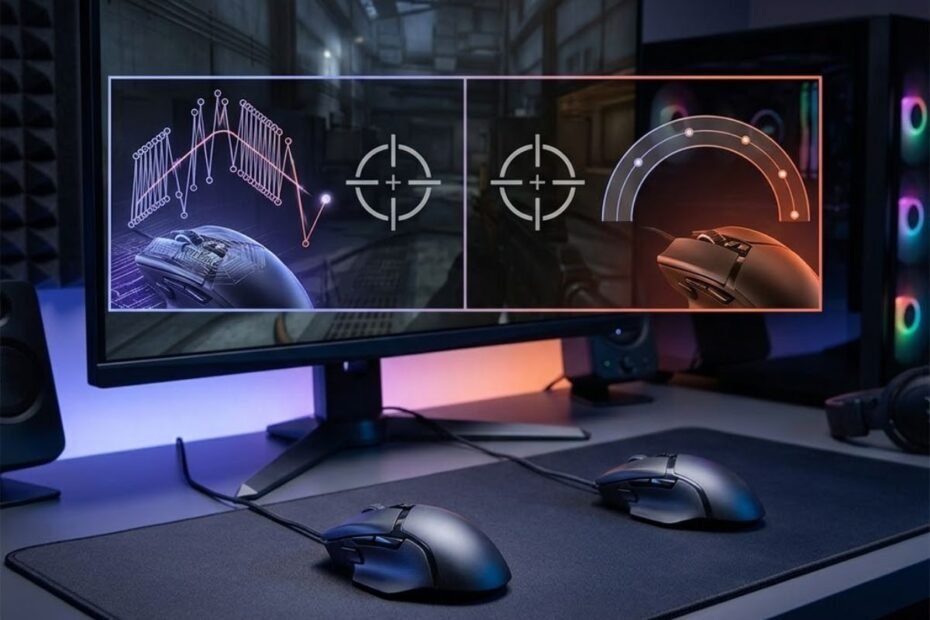
Many gaming mice now advertise maximum DPI ratings above 30,000, 35,000, or even 40,000 DPI. These numbers often appear as major selling points, leading many buyers to assume that a higher DPI rating automatically means…
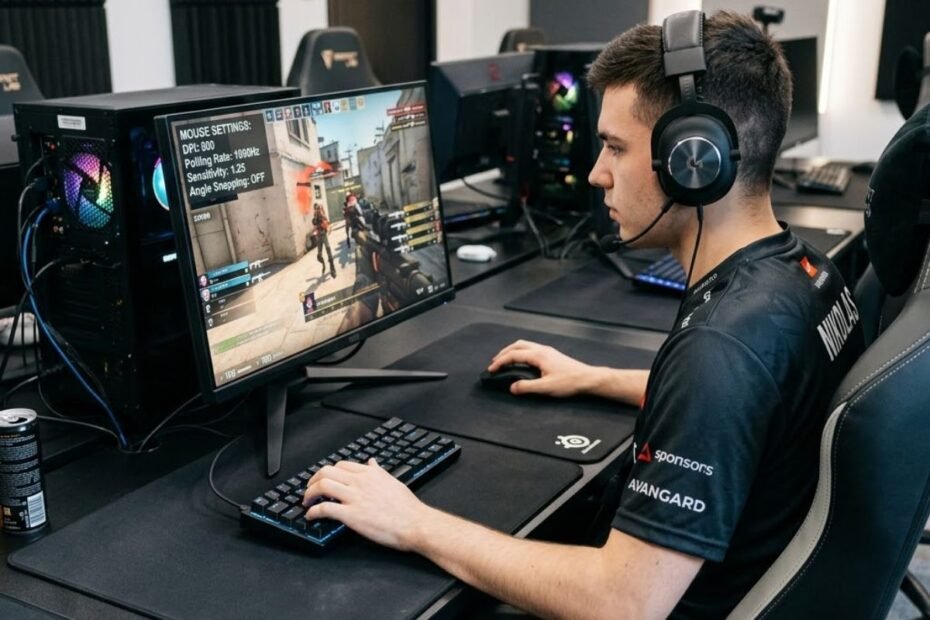
800 DPI is popular among professional FPS players because it provides a familiar and practical starting point for building a consistent sensitivity setup. It is not a magic accuracy setting, but a balanced baseline that…
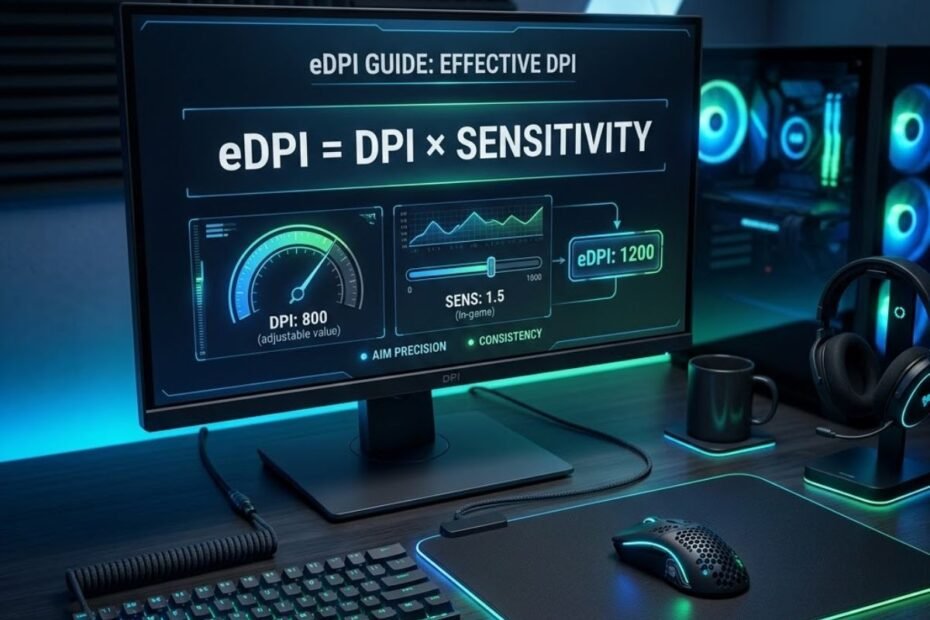
eDPI is a sensitivity measurement that combines mouse DPI and in-game sensitivity into a single value. Calculating eDPI helps FPS players understand their true sensitivity, compare settings more accurately, and avoid judging aim speed by…
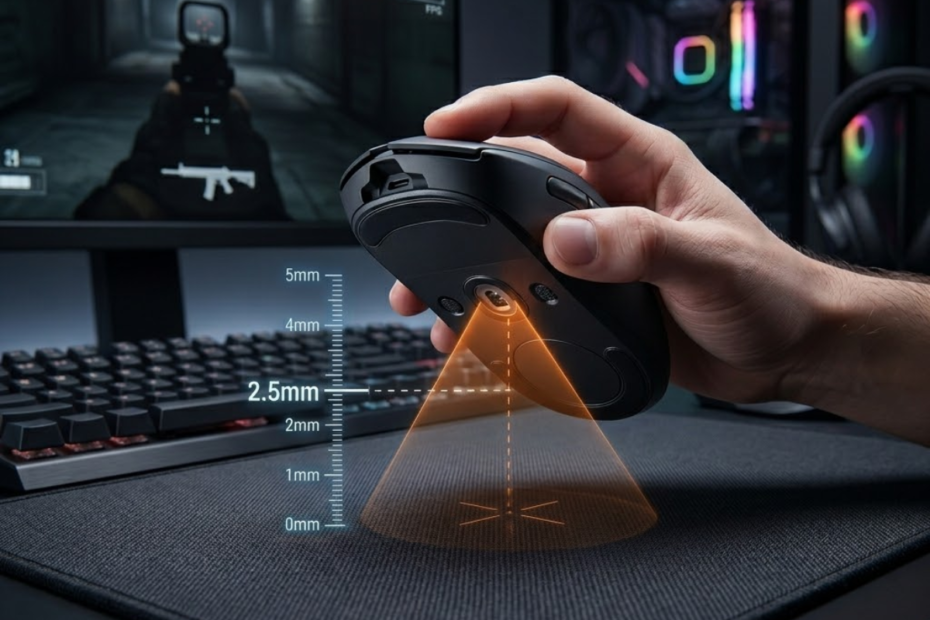
Lift Off Distance is the height at which a gaming mouse sensor stops tracking movement after the mouse is lifted from the surface. It helps FPS players understand why the crosshair may still move slightly…