
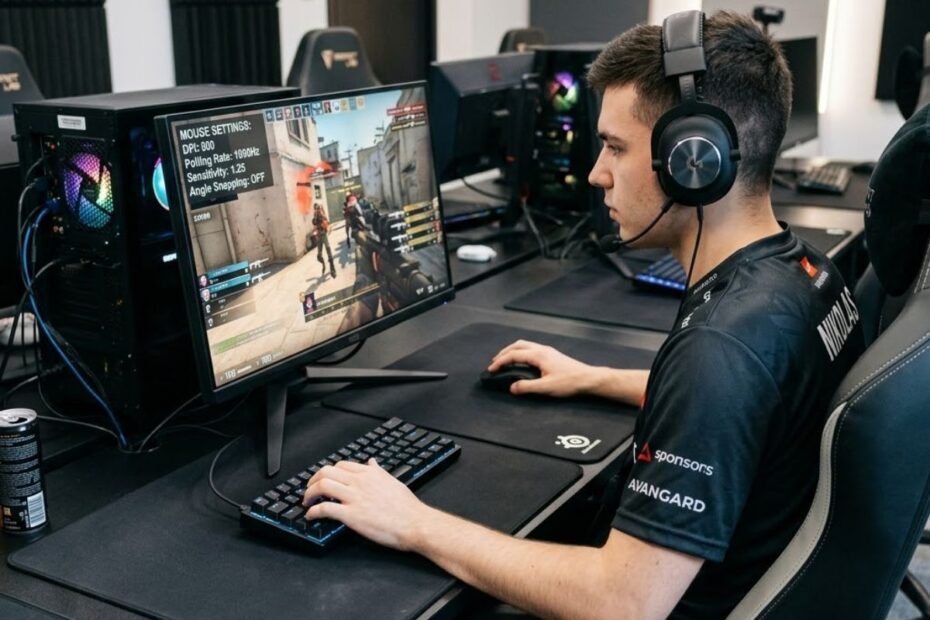
800 DPI is popular among professional FPS players because it provides a familiar and practical starting point for building a consistent sensitivity setup. It is not a magic accuracy setting, but a balanced baseline that…
800 DPI is popular among professional FPS players because it provides a familiar and practical starting point for building a consistent sensitivity setup. It is not a magic accuracy setting, but a balanced baseline that…
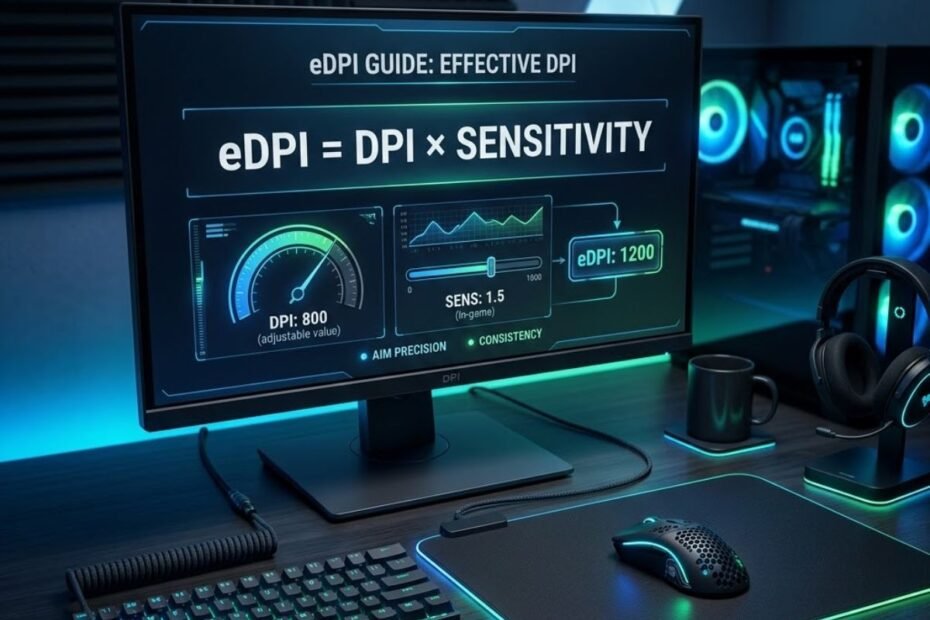
OFFICIAL SENSITIVITY GUIDE CONSOLIDATION This calculation guide has been officially unified into our master guide: DPI vs eDPI Explained: How to Calculate True FPS Sensitivity. Please visit the master guide for the complete interactive formula,…
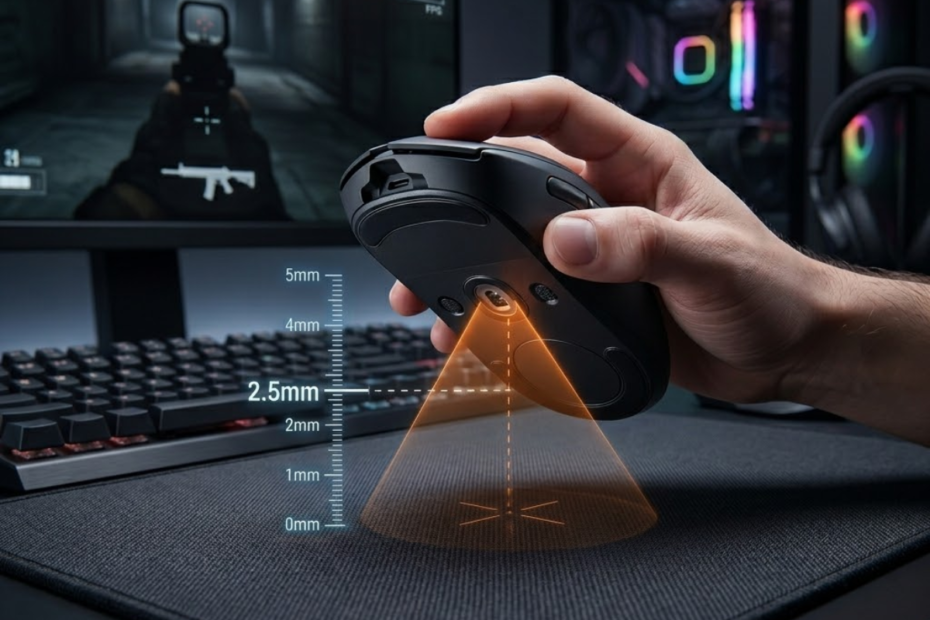
Lift Off Distance is the height at which a gaming mouse sensor stops tracking movement after the mouse is lifted from the surface. It helps FPS players understand why the crosshair may still move slightly…
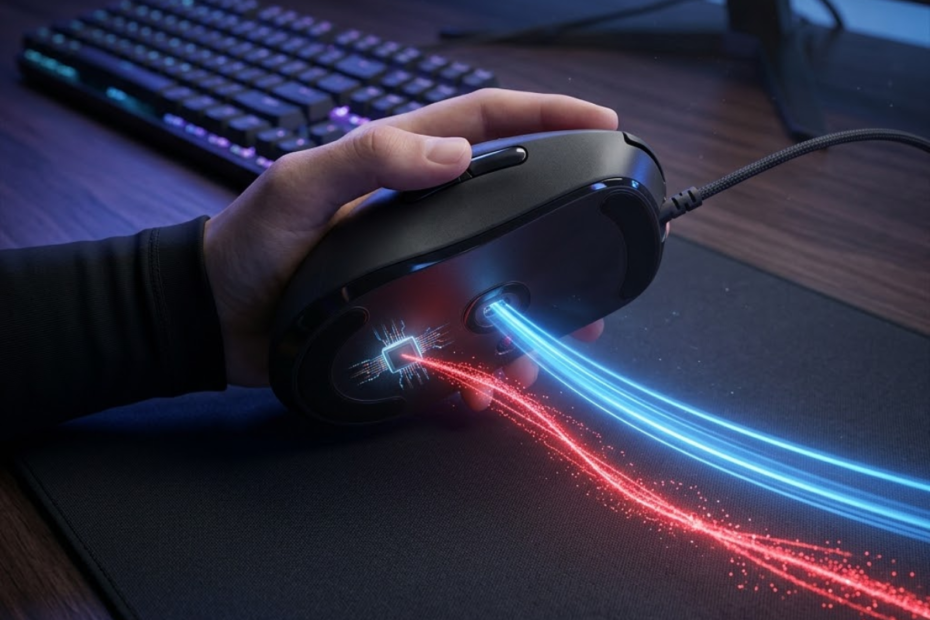
Sensor smoothing is a mouse sensor processing technique that filters movement data before it reaches your computer. It helps reduce unwanted sensor noise, but it can also make mouse movement feel slightly less raw, especially…
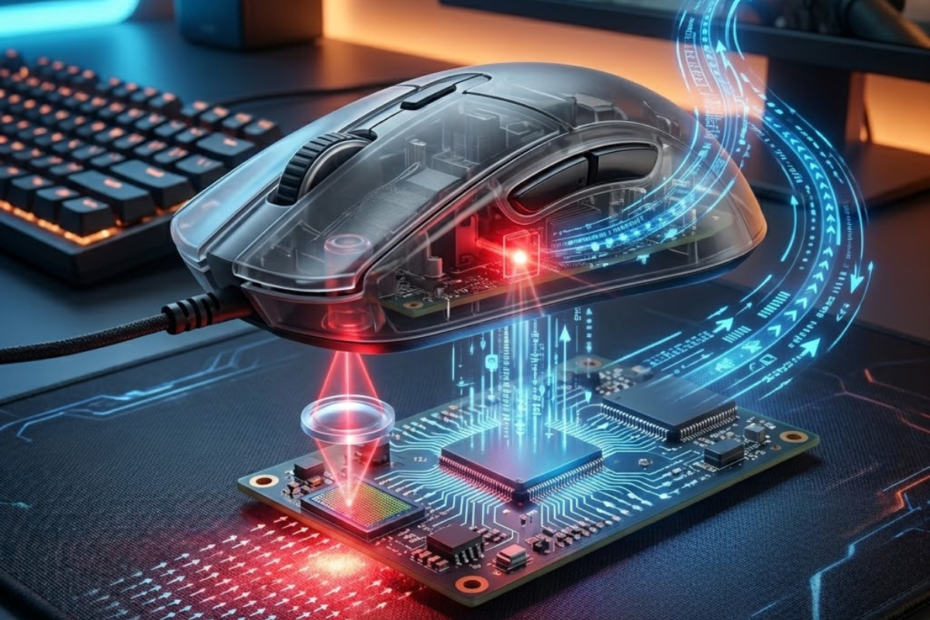
Modern gaming mice can track movement with remarkable precision, but many FPS players never learn what actually happens beneath the mouse. Terms such as DPI, IPS, tracking accuracy, and sensor performance are frequently mentioned in…
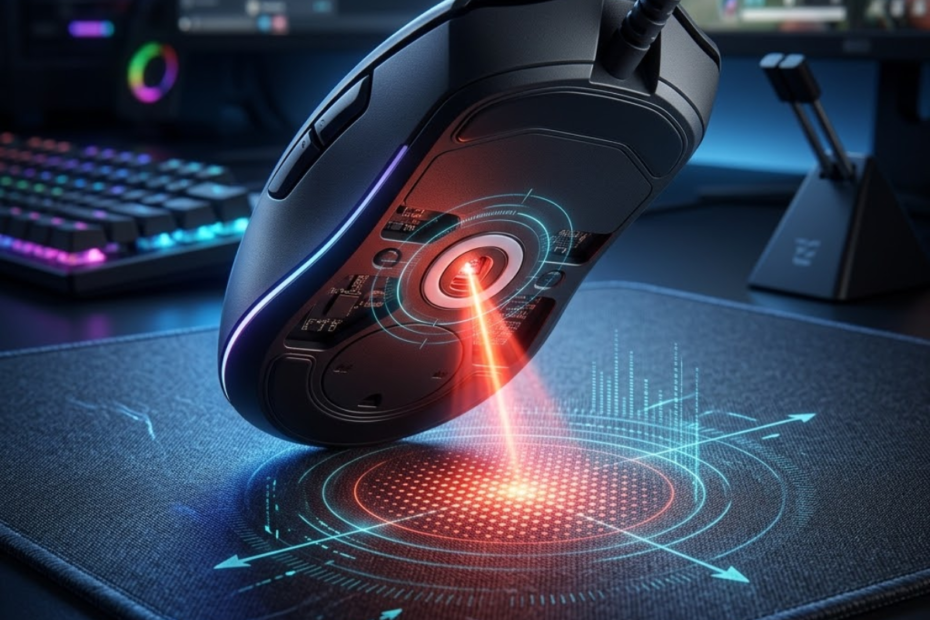
Understanding how a gaming mouse sensor operates is essential for competitive players seeking consistent aim in tactical first-person shooters. While manufacturers frequently boast astronomical figures like 35,000 DPI and 750 IPS, real-world tracking fidelity depends…
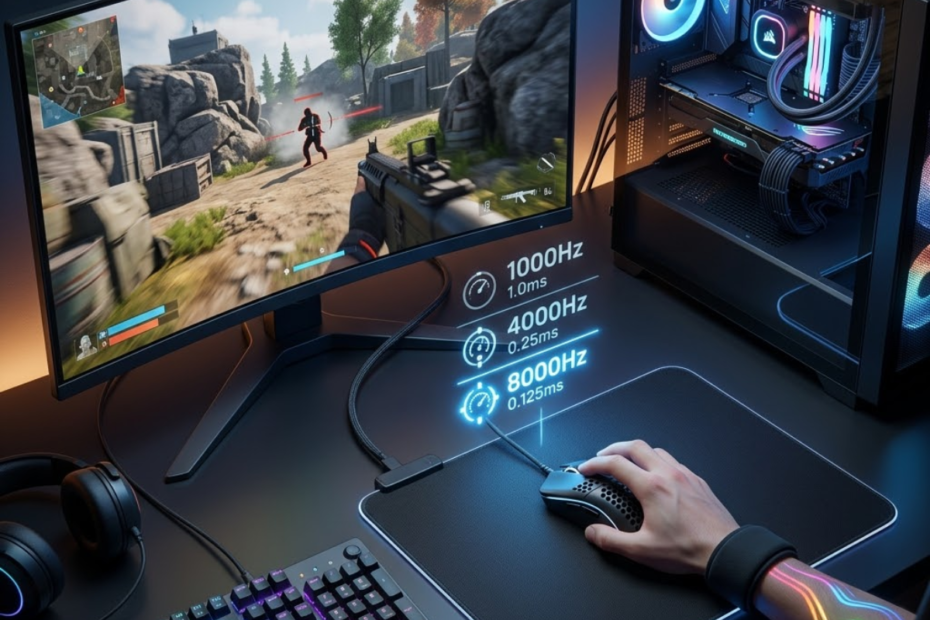
Polling rate and input latency are two connected parts of mouse responsiveness and help explain why some gaming mice feel faster and more responsive during FPS gameplay. Polling rate describes how often a mouse sends…
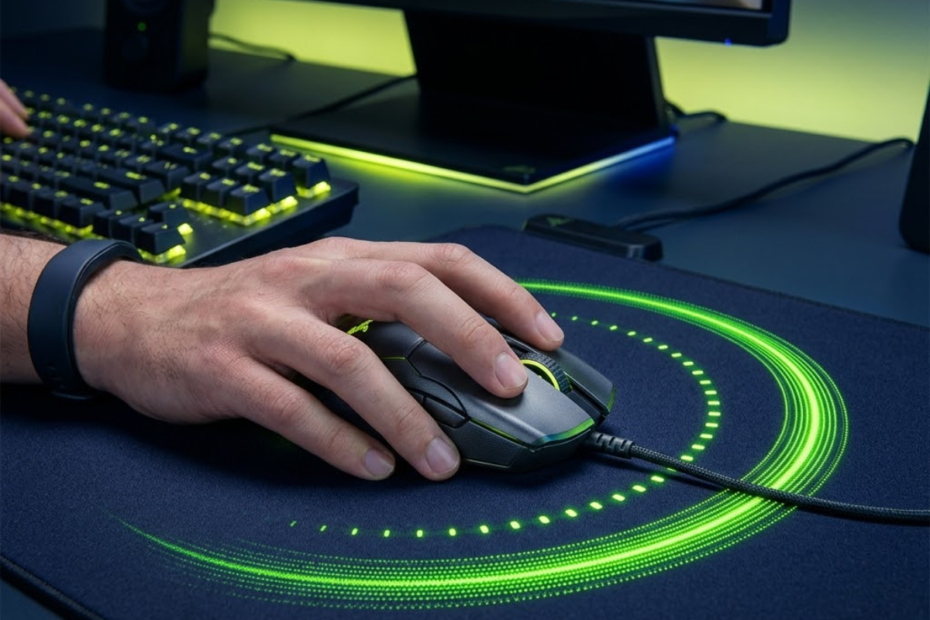
4000Hz vs 8000Hz polling rate is a comparison that helps FPS players understand whether the highest polling rate available today delivers meaningful gaming benefits. Both polling rates are significantly faster than the traditional 1000Hz standard,…
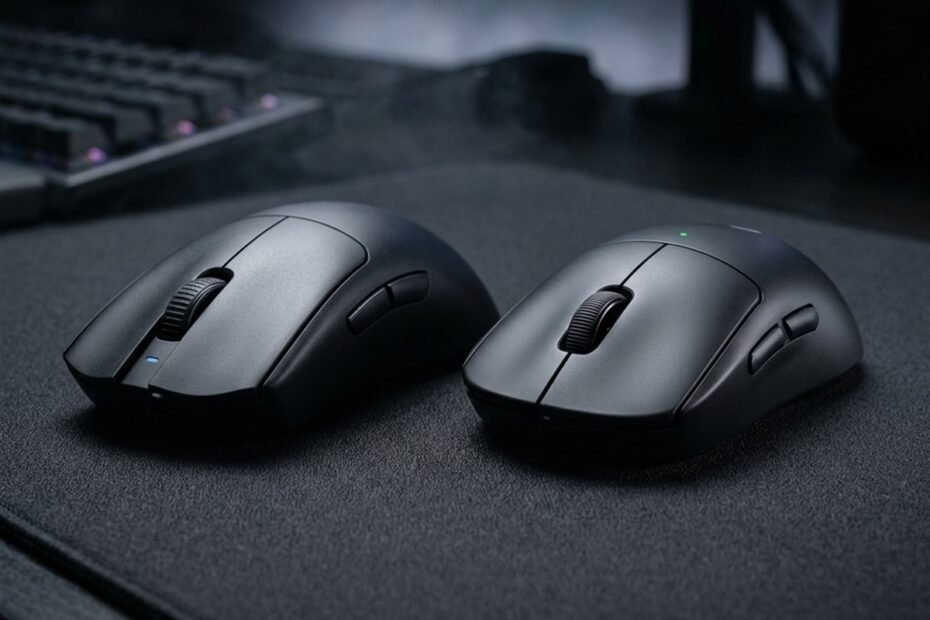
Choosing between 1000Hz and 4000Hz polling rate is becoming increasingly common as modern gaming mice continue to push higher performance specifications. While both settings are capable of delivering responsive gameplay, many FPS players wonder whether…
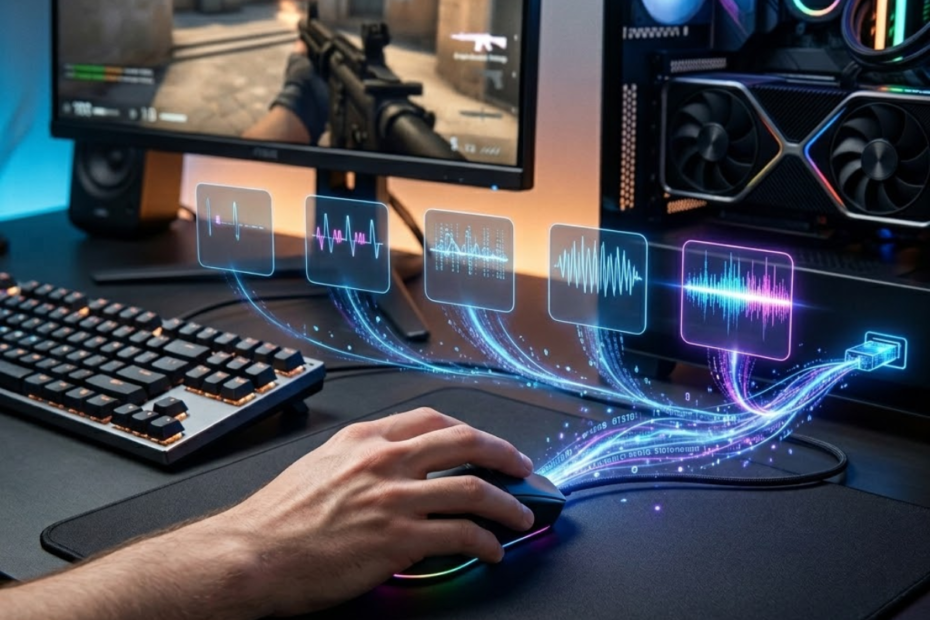
A gaming mouse polling rate is the number of times your mouse reports its position and input data to your computer every second. It helps determine how often your PC receives fresh mouse movement data,…