
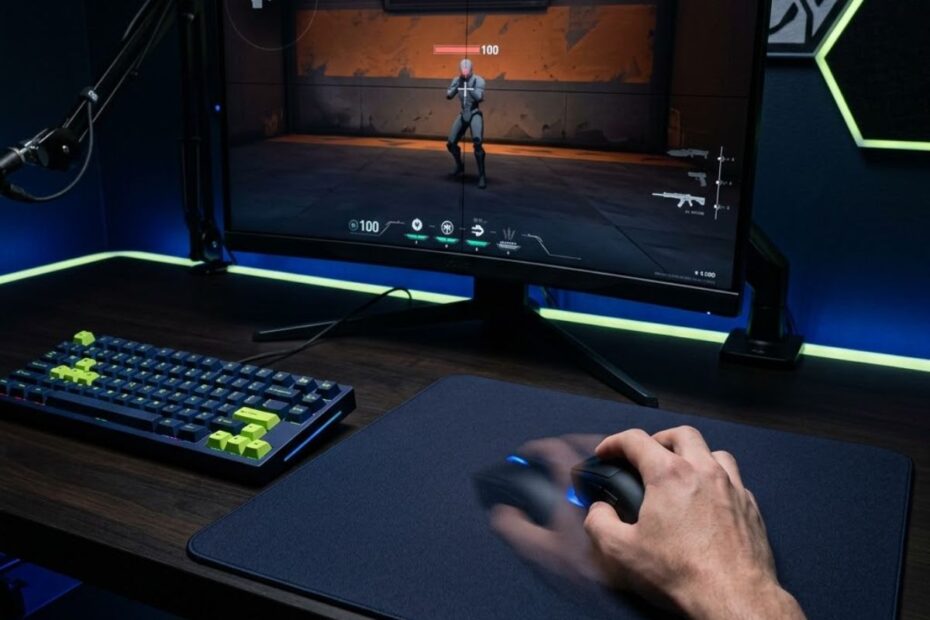
Tracking aim in Valorant is the ability to smoothly follow enemy movement while keeping your crosshair locked on target during fights. Unlike flick aiming, which focuses on fast snap movements, tracking aim rewards consistency, mouse control, and stable hand movement. Good tracking helps players win close range duels, maintain spray accuracy, and react better against strafing opponents.
Many Valorant players focus too much on flick shots while ignoring tracking fundamentals. In reality, poor tracking often causes inconsistent sprays, shaky crosshair movement, and missed follow-up bullets. Improving tracking aim creates a more stable mechanical foundation that directly impacts ranked performance.
This guide explains how tracking aim works in Valorant, why it matters, how professional players train it, and which mouse settings help improve consistency. If you are still building your overall mouse setup knowledge, the complete Gaming Mouse for FPS Games pillar covers the broader fundamentals behind competitive aiming performance.
What Is Tracking Aim in Valorant?
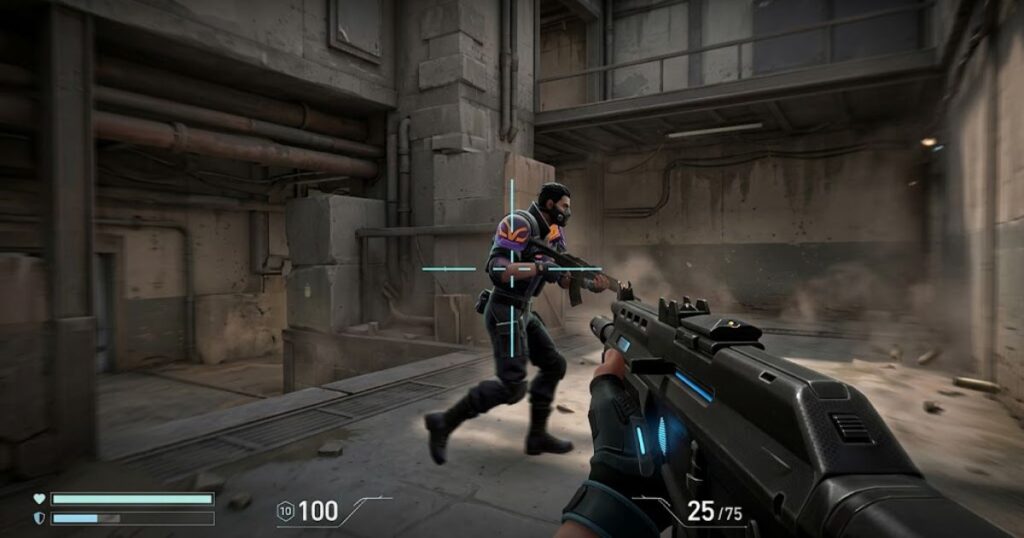
Tracking aim in Valorant means continuously following a moving enemy with your crosshair while maintaining accurate bullet placement. Instead of snapping instantly to a target, tracking requires controlled mouse movement that mirrors enemy strafes and movement patterns.
Tracking becomes especially important during close range fights, spray transfers, and situations where enemies wide swing aggressively. Players with weak tracking often overcorrect their mouse movement, causing shaky aim and unstable sprays. Strong tracking creates smoother recoil control and more reliable damage output.
Unlike games with extremely high movement speed, Valorant has slower tactical movement. However, tracking still matters because enemy strafing, counter-strafing, jump peeks, and movement correction happen constantly in ranked matches. Good tracking improves reaction quality without forcing exaggerated mouse corrections.
| Aim Type | Main Purpose | Most Important Skill | Common Situation |
|---|---|---|---|
| Tracking Aim | Follow movement smoothly | Mouse control consistency | Close range fights |
| Flick Aim | Snap to target quickly | Reaction speed | Holding angles |
| Crosshair Placement | Pre-position crosshair | Prediction | Angle clearing |
| Spray Control | Manage recoil pattern | Stability | Extended fights |
Many players incorrectly think tracking only matters in games like Apex Legends or Overwatch. Valorant still heavily rewards smooth mouse movement because stable tracking improves overall gunfight consistency, especially when combined with disciplined crosshair placement in Valorant.
Why Tracking Aim Matters in Valorant
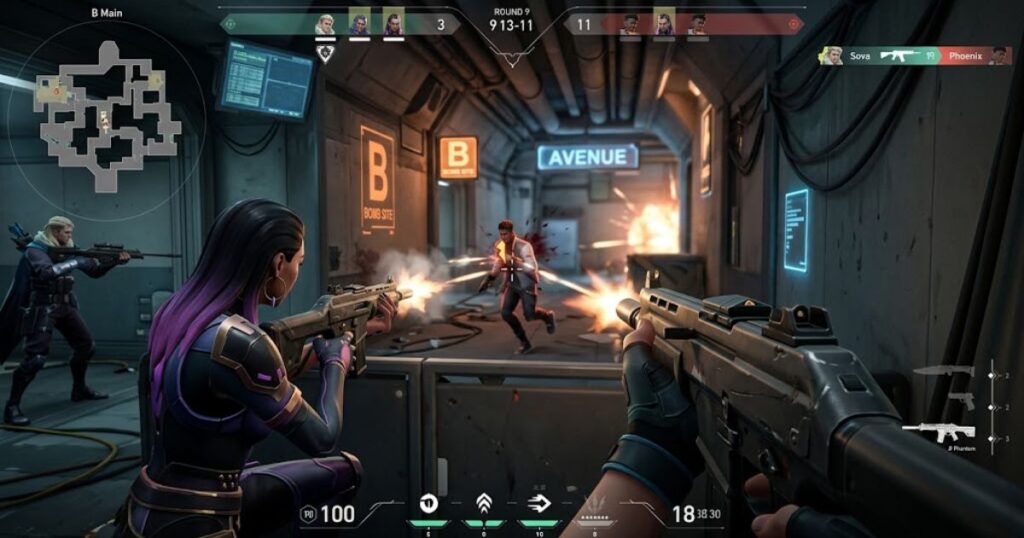
Tracking aim matters in Valorant because most real fights are not perfectly static one-tap situations. Enemies constantly adjust movement, jiggle peek, crouch, or strafe unpredictably during engagements. Players who can maintain smooth tracking stay accurate longer during these chaotic moments.
A large percentage of missed shots happen because players panic and move their mouse too aggressively. Instead of smoothly following movement, they attempt repeated mini flicks that destroy stability. Better tracking reduces this problem dramatically.
Tracking also improves confidence during pressure situations. When your hand movement becomes more controlled, your aim feels calmer, which reduces unnecessary overflicking and nervous corrections.
Tracking Improves Spray Consistency
Tracking directly improves spray consistency because your hand learns to stay stable while adjusting for enemy movement and recoil simultaneously. Players with weak tracking usually lose spray control after the first few bullets because their crosshair movement becomes erratic.
Good tracking creates smoother recoil compensation and helps maintain head-level accuracy during moving engagements. This is especially important with weapons like the Phantom, which rewards controlled sustained fire at close to medium range.
If you also struggle with recoil stability, the mechanics behind Valorant recoil control with mouse pair naturally with tracking training.
Tracking Reduces Overflicking
Tracking helps reduce overflicking because it teaches smoother target correction instead of violent mouse adjustments. Many players miss easy shots simply because they move their mouse too far after initial contact.
This issue becomes worse under pressure. During stressful fights, players often abandon controlled movement and rely entirely on fast reactions. Tracking drills condition the hand to remain steady even during unpredictable situations.
Players who already struggle with exaggerated flicks should also review Valorant flick shot aiming guide to understand the difference between efficient flicking and uncontrolled mouse movement.
Tracking Builds Better Mouse Control
Tracking aim develops raw mouse control more effectively than pure flick practice alone. Flicks test explosive movement, but tracking forces continuous precision across different speeds and directions.
This type of training improves hand coordination, stopping accuracy, and micro-adjustments. Over time, players develop smoother overall aim mechanics that transfer into every aiming category.
Strong mouse control also supports tactical movement discipline. Players who understand controlled aiming usually perform better in tactical aiming in Valorant scenarios where positioning and patience matter more than pure speed.
How Tracking Aim Works Mechanically
Tracking aim works through continuous visual correction between enemy movement and crosshair alignment. Your eyes observe target movement while your hand adjusts mouse speed and direction in real time. The smoother this coordination becomes, the more stable your tracking feels.
Most tracking errors happen because players either react too slowly or overreact with excessive movement. Efficient tracking sits between these extremes. The goal is calm correction rather than aggressive snapping.
Understanding the mechanics behind tracking helps players identify why their aim feels unstable during real matches.
Micro Adjustments
Micro adjustments are tiny mouse movements used to maintain precise crosshair alignment during target movement. These adjustments happen constantly during tracking, even if players do not consciously notice them.
Good micro adjustments rely on smooth wrist and arm coordination rather than sudden corrections. Players who tense their hand too much often lose fine control, causing jittery aim.
Micro adjustment quality improves dramatically when sensitivity settings remain stable over time. Constantly changing sensitivity prevents muscle adaptation and slows mechanical development.
| Tracking Problem | Likely Cause | Common Result |
|---|---|---|
| Shaky tracking | Excessive tension | Missed sprays |
| Overcorrection | Sensitivity too high | Crosshair instability |
| Slow tracking | Low confidence | Late reactions |
| Mouse drifting | Poor arm positioning | Inconsistent fights |
Arm and Wrist Coordination
Tracking aim depends heavily on balanced arm and wrist coordination. The arm handles larger directional movement while the wrist manages smaller precision corrections.
Many players rely too heavily on one aiming style. Pure wrist aiming often becomes unstable during long tracking motions, while pure arm aiming can feel sluggish during small adjustments. Efficient tracking combines both naturally.
Players experimenting with larger movements should also study arm aiming in Valorant to understand how professional players distribute movement between the wrist and arm.
Visual Focus and Crosshair Discipline
Tracking improves significantly when players focus visually on enemy movement rather than staring directly at the crosshair. Your brain naturally adjusts mouse movement more smoothly when it prioritizes target movement information.
Crosshair discipline still matters because uncontrolled visual focus can create panic reactions. Players should maintain calm visual tracking while keeping crosshair movement minimal and efficient.
Professional players rarely move their crosshair dramatically during tracking situations. Their corrections stay compact and controlled, which preserves stability during sprays and follow-up shots.
Best Training Methods for Tracking Aim
The best tracking aim training methods combine consistency, repetition, and realistic movement practice. Effective drills should improve smoothness, reaction control, and mouse stability rather than encouraging random fast movement.
Many players waste practice time using drills that do not transfer well into Valorant gunfights. Training should focus on controlled movement patterns that reflect real tactical engagements.
The goal is not flashy aim clips. The goal is repeatable accuracy under pressure.
Practice Range Tracking Drills
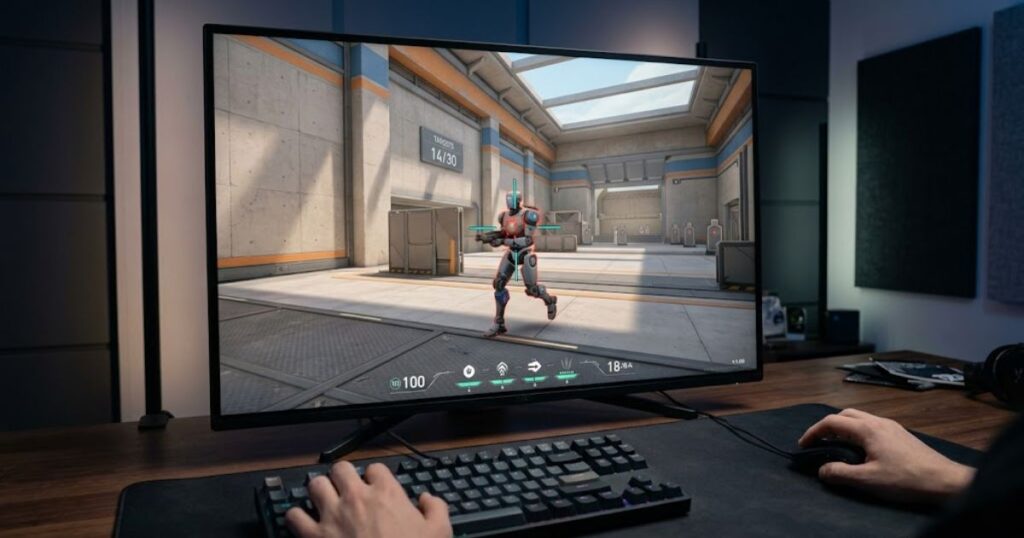
The Valorant Practice Range provides simple but effective tracking exercises when used correctly. Players can practice following moving bots without focusing entirely on speed.
One effective drill involves tracking bot heads continuously before shooting. This builds smoother target following instead of immediate panic flicking. Another drill involves spraying while maintaining head-level alignment during strafes.
Players should focus on movement quality first. Speed naturally improves once smoothness becomes consistent.
- Track moving bots for 5 seconds before firing
- Maintain steady head-level crosshair placement
- Use short controlled sprays instead of panic spraying
- Practice both left and right tracking equally
- Reset posture and grip between repetitions
Aim Trainer Tracking Scenarios
Aim trainers can improve tracking significantly when scenarios match Valorant mechanics. Smoothness-focused exercises often produce better results than chaotic speed drills.
Players should avoid training modes that encourage unrealistic movement speed or exaggerated flicking behavior. Controlled tracking scenarios create more transferable improvement for tactical shooters.
Consistency matters more than volume. Short focused sessions repeated daily outperform random long sessions without structure.
| Training Type | Main Focus | Best Session Length |
|---|---|---|
| Smooth tracking | Mouse stability | 10 minutes |
| Reactive tracking | Reaction control | 10 minutes |
| Spray tracking | Recoil stability | 15 minutes |
| Micro correction drills | Precision | 5 minutes |
Deathmatch for Real Tracking Practice
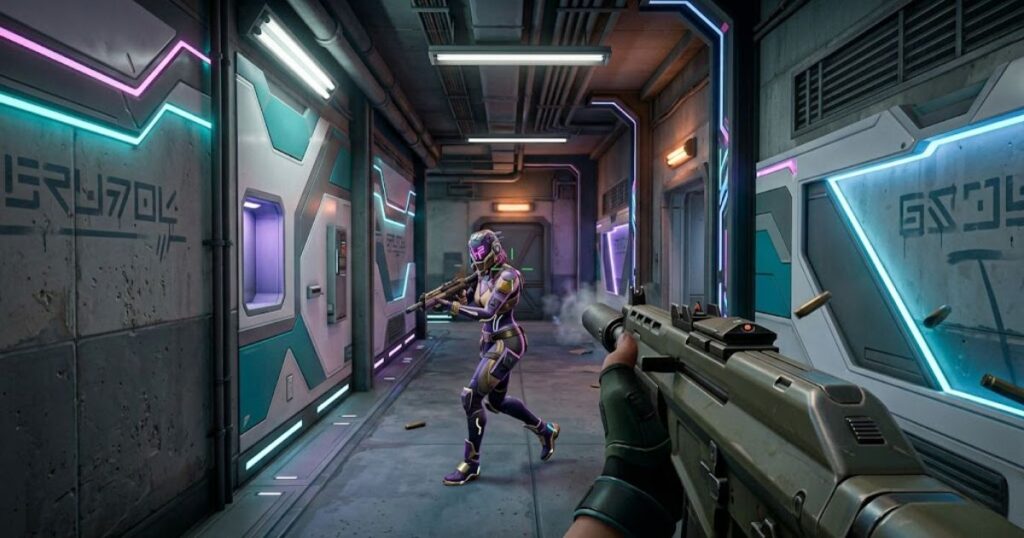
Deathmatch remains one of the best environments for practical tracking development because it introduces realistic player movement and pressure. However, players often use Deathmatch incorrectly.
Instead of chasing kills recklessly, players should focus on maintaining smooth crosshair movement during fights. The goal is mechanical discipline rather than scoreboard performance.
Deathmatch also teaches transition control between tracking and flicking. Real engagements rarely involve only one aiming style.
Best Mouse Settings for Tracking Aim
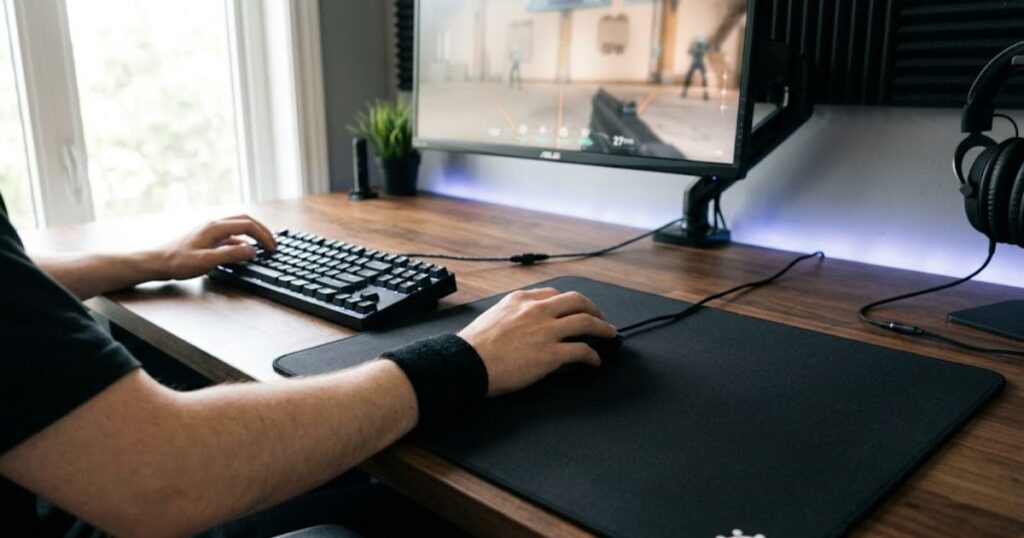
The best mouse settings for tracking aim prioritize consistency, smoothness, and control rather than maximum speed. Tracking suffers heavily when sensitivity feels unstable or difficult to manage under pressure.
Players should optimize sensitivity, mouse weight, skates, and polling rate together because each factor influences tracking smoothness differently.
Stable settings create predictable mouse movement, which allows long-term mechanical improvement. If your tracking still feels unstable after fixing sensitivity, the next step is checking whether your mouse actually supports controlled Valorant aim. A detailed best gaming mouse for Valorant guide can help you compare shape, weight, sensor quality, and control features before changing your setup.
Best Sensitivity Range for Tracking
Most Valorant players perform tracking most consistently within a moderate eDPI range. Extremely high sensitivity usually causes shaky corrections, while extremely low sensitivity may reduce responsiveness during fast strafes.
The ideal sensitivity depends on grip style, mousepad space, and aiming technique. However, stability should always matter more than raw turning speed.
Players searching for balanced control should study best sensitivity for Valorant for deeper sensitivity optimization strategies.
| Sensitivity Style | Tracking Feel | Common Weakness |
|---|---|---|
| High sensitivity | Fast reactions | Overcorrection |
| Medium sensitivity | Balanced control | Requires consistency |
| Low sensitivity | Stable tracking | Slower repositioning |
Mouse Weight and Tracking Stability
Mouse weight affects tracking stability significantly because lighter mice reduce resistance during continuous movement. Many professional Valorant players prefer lightweight mice because they allow smoother corrections with less physical effort.
Heavy mice can still perform well, but they often require more force during tracking transitions. This sometimes creates inconsistent movement during long sessions. For players who want a broader comparison before choosing a mouse, the top best gaming mouse for FPS games in 2026 list is a better place to compare options across different FPS needs instead of only looking at Valorant-specific choices.
Players exploring lighter setups can review best lightweight mouse for Valorant to understand why reduced weight helps tactical aiming consistency.
Mousepad Surface and Glide
Mousepad texture strongly influences tracking quality because surface friction affects movement smoothness. Faster pads enable quicker corrections, while control pads provide greater stopping precision.
Tracking-heavy players usually benefit from balanced control surfaces rather than extremely fast pads. Excessive speed can make continuous adjustments harder to stabilize.
Mouse skates also influence glide consistency. Worn or uneven skates often create inconsistent tracking movement without players realizing it.
For deeper setup optimization, players should compare best mousepad for Valorant and best mouse skates for Valorant.
Common Tracking Aim Mistakes
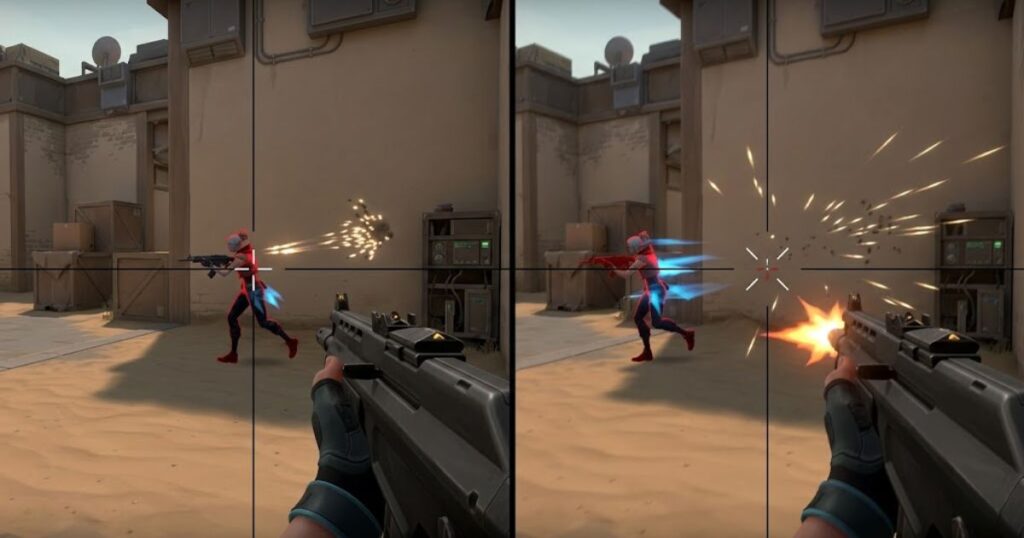
Most tracking mistakes come from poor movement discipline rather than slow reactions. Players often sabotage their own aim by introducing unnecessary tension, exaggerated corrections, or unstable settings.
Fixing these mistakes usually improves consistency faster than endlessly changing sensitivity or buying new hardware.
Understanding these errors helps players train more efficiently.
Overtracking Targets
Overtracking happens when players move their crosshair farther than necessary while following targets. This creates unstable sprays and missed bullets because the crosshair constantly overshoots enemy movement.
Players should focus on minimizing movement instead of matching every enemy animation aggressively. Calm tracking generally performs better than hyperactive corrections.
Watching professional gameplay reveals how small most tracking corrections actually are during tactical engagements.
Tensing the Hand Too Much
Excessive tension destroys tracking smoothness because tight muscles reduce fine control. Many players unconsciously grip their mouse harder during stressful fights, causing shaky movement and inconsistent corrections.
Relaxed hand positioning improves fluidity and reduces fatigue during long sessions. Professional players often emphasize comfort and posture because stable mechanics depend heavily on physical relaxation.
Tracking drills should always prioritize smooth movement quality over intensity.
Changing Settings Too Frequently
Constantly changing settings prevents muscle adaptation and disrupts tracking consistency. Players often blame sensitivity for mechanical mistakes that actually come from poor discipline or inconsistent practice.
Frequent setting changes also create psychological instability because players stop trusting their aim. Confidence matters heavily in tactical shooters.
Instead of endlessly changing settings, players should commit to stable fundamentals long enough for meaningful adaptation.
How Pro Players Use Tracking Aim
Professional Valorant players use tracking aim differently depending on role, positioning, and engagement range. While flashy flicks receive more attention online, smooth tracking remains a core part of elite consistency.
Most professional players combine tracking with disciplined crosshair placement rather than relying on reactive corrections alone. Their mechanics look smooth because unnecessary movement is minimized.
Professional aim often appears easier because positioning reduces the amount of correction needed during fights.
Tracking During Close Range Duels
Tracking becomes extremely important during close range duels where enemy movement creates rapid directional changes. Professional players maintain composure and follow movement calmly instead of spraying wildly.
They also reposition intelligently to reduce awkward tracking angles. Good positioning simplifies aim requirements dramatically.
Close range tracking especially rewards players with stable mouse control and low panic response.
Tracking Combined With Counter Strafing
Professional players combine tracking with counter-strafing to maintain accuracy during movement adjustments. This synchronization allows smoother target alignment without sacrificing precision.
Many lower ranked players separate movement and aiming mechanically, which creates awkward timing during fights. High level players blend both naturally.
Tracking quality improves significantly when movement discipline improves alongside aim training.
Tracking for Spray Transfers
Spray transfers require strong tracking because players must smoothly transition between multiple targets without losing recoil control. Professionals achieve this through stable hand movement rather than frantic corrections.
Efficient spray transfer mechanics rely heavily on controlled sensitivity and strong tracking fundamentals. Poor tracking usually causes inaccurate transfers after the first elimination.
This is one reason why professional gameplay often appears calmer than ranked gameplay despite being mechanically harder.
How to Build a Daily Tracking Aim Routine
A good daily tracking routine should focus on consistency, not exhaustion. Most players improve faster through short focused sessions than random grinding without structure.
Tracking practice should also include both isolated drills and realistic gameplay situations. Pure aim trainers alone rarely create complete tactical improvement.
Balanced routines create sustainable long-term growth.
Warm Up Before Ranked
A short tracking warm up before ranked helps stabilize hand movement and reaction timing. Players who queue immediately without preparation often start matches mechanically cold.
Warm ups should emphasize smoothness rather than speed. The goal is controlled movement and stable confidence entering matches.
- 5 minutes of smooth tracking drills
- 5 minutes of recoil tracking practice
- 1 Deathmatch focused on movement discipline
- Short posture and hand reset before queueing
Review Mechanical Mistakes
Players improve faster when they identify recurring tracking problems after matches. Many aiming issues repeat consistently but go unnoticed because players only focus on wins and losses.
Reviewing missed fights helps isolate problems like overtracking, panic spraying, or poor sensitivity control. This feedback loop accelerates improvement more effectively than mindless repetition.
Mechanical review should remain objective. Emotional frustration slows learning.
Prioritize Long Term Consistency
Tracking aim improves gradually through stable repetition over time. Players expecting instant transformation often abandon routines too early and constantly search for shortcuts.
Professional level mouse control develops from thousands of controlled repetitions. Consistency matters far more than intensity.
Strong tracking eventually creates smoother aim across every category, including flicking, recoil management, and movement correction.
“First-person shooter games typically require players to maintain accurate aiming while tracking moving targets under pressure.”
“A stable aiming setup is not about chasing trends. It is about building repeatable control under pressure.”
FAQ About Valorant Tracking Aim
Tracking aim is one of the most misunderstood mechanics in Valorant because many players focus entirely on flick shots. These common questions explain how tracking actually affects ranked consistency and mechanical development.
What is tracking aim in Valorant?
Tracking aim in Valorant is the ability to smoothly follow enemy movement with your crosshair while maintaining accurate bullet placement during fights.
Is tracking aim important in Valorant?
Yes. Tracking improves spray stability, close range consistency, recoil control, and reaction correction during moving engagements.
How do I improve tracking aim fast?
Focus on smooth tracking drills, consistent sensitivity, calm mouse movement, and realistic Deathmatch practice instead of only chasing flick speed.
Does low sensitivity help tracking?
Low sensitivity often improves stability and smoothness, but the ideal range depends on mouse control, grip style, and desk space.
Do professional Valorant players train tracking aim?
Yes. Professional players train tracking through aim trainers, Deathmatch, recoil drills, and movement correction practice.
Can bad tracking ruin spray control?
Yes. Poor tracking usually causes unstable recoil compensation and inaccurate follow-up bullets during longer fights.
Should I use arm aiming for tracking?
Most players benefit from combining arm movement for larger adjustments and wrist movement for precision corrections.
Does mouse weight affect tracking?
Yes. Lightweight mice generally reduce fatigue and improve smooth continuous movement during tracking situations.
What mousepad is best for tracking aim?
Balanced control pads usually work best because they provide stable glide without feeling uncontrollably fast.
How long does tracking aim take to improve?
Most players notice meaningful improvement after several weeks of consistent focused practice and stable settings.
Why does my tracking feel shaky?
Shaky tracking often comes from excessive hand tension, unstable sensitivity, poor posture, or overaggressive mouse corrections.
Can tracking improve overall aim consistency?
Yes. Strong tracking improves mouse control fundamentals that transfer into flicking, recoil management, and movement correction.
Tracking aim is not the flashiest mechanic in Valorant, but it is one of the most important foundations behind consistent gunfights. Players who develop smooth tracking usually perform more reliably under pressure because their aim stays controlled instead of chaotic.
The biggest improvement comes from combining stable settings, disciplined practice, and realistic expectations. Tracking is not about making dramatic movements. It is about reducing unnecessary movement until every correction becomes calm, efficient, and repeatable. Thanks for reading this guide on Valorant tracking aim.
Conclusion
Tracking aim in Valorant is not about flashy mechanics or impossible reaction speed. It is about building stable mouse control that holds up during real ranked pressure. Players with strong tracking usually look calmer during fights because their movements stay efficient, controlled, and predictable even when enemies strafe aggressively.
Improving tracking takes patience because smooth aim develops through repetition rather than shortcuts. Consistent sensitivity, proper mouse control, relaxed hand movement, and disciplined practice matter far more than constantly changing settings or copying professional setups without understanding why they work. Small mechanical improvements compound over time and eventually create noticeable differences in spray consistency, reaction quality, and confidence during gunfights.
Tracking also connects directly with other important Valorant mechanics such as recoil control, crosshair placement, movement discipline, and tactical positioning. Players who develop smoother tracking often notice improvement across their entire aiming system because better mouse control reduces panic movement and unnecessary corrections. This creates more stable gameplay in both ranked matches and competitive environments.
The most important step is staying consistent with practice while avoiding frustration during slower improvement periods. Mechanical growth in tactical FPS games rarely happens overnight, but disciplined training always produces long term results. A smoother and more reliable aim foundation will always outperform random flashy moments that cannot be repeated consistently.
Thanks for reading this Valorant tracking aim guide. Hopefully this breakdown helps you build stronger tracking mechanics, cleaner mouse control, and more confident gunfights in your future matches.