
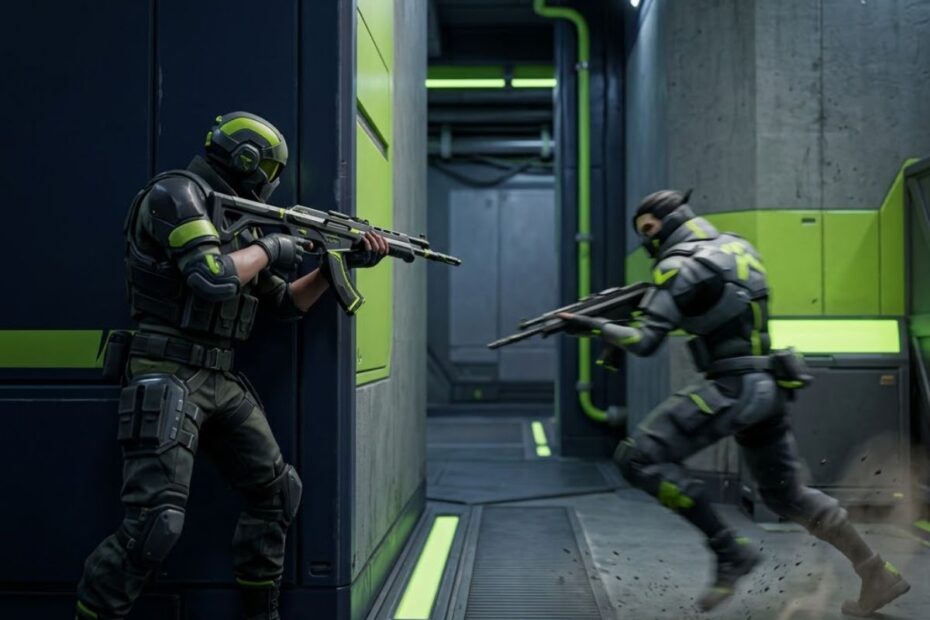
Peeker advantage in Valorant is the timing advantage a moving player gets when swinging an angle before the defender fully sees them on screen. Even though the advantage is usually measured in milliseconds, it has a massive impact because Valorant has an extremely fast time-to-kill. This is why many players feel like they die instantly when holding corners against aggressive opponents.
Understanding peeker advantage is important because it changes how players should approach gunfights, positioning, and movement. Many ranked players believe their aim is bad when the real issue is poor angle discipline or predictable positioning. Once you understand how online combat actually works, you can start creating smarter fights instead of relying only on raw reactions.
Players who already improved their crosshair placement in Valorant usually notice that peeker advantage becomes easier to abuse correctly. Good crosshair placement allows players to capitalize on timing windows immediately instead of wasting precious milliseconds adjusting their aim after spotting enemies.
What Is Peeker Advantage in Valorant?
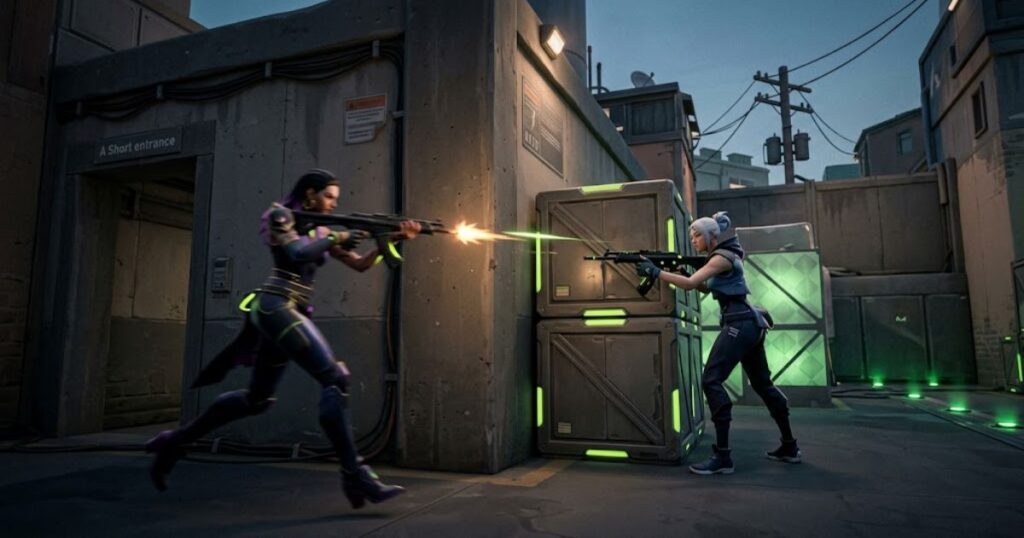
Peeker advantage in Valorant is the small visual timing edge given to the player who swings an angle first. The peeking player usually sees the defender slightly earlier because of networking delay, server processing, and human reaction time. That short timing window often decides who wins the duel.
Many players misunderstand peeker advantage and assume it means defenders are always at a disadvantage. In reality, holding angles can still be extremely powerful when combined with utility, positioning, and proper spacing. The issue appears when defenders hold predictable positions against aggressive players who understand movement timing.
Valorant was designed as a tactical shooter where milliseconds matter heavily. Because weapons can instantly kill with accurate headshots, even tiny timing differences become extremely noticeable during ranked matches. This is why players often feel that some swings are impossible to react to.
| Term | Meaning | Why It Matters |
|---|---|---|
| Peeker | Player swinging the angle | Usually receives visual information first |
| Holder | Player defending the angle | Must react to movement quickly |
| Latency | Delay between player and server | Affects visual synchronization |
| Wide Swing | Large aggressive peek | Harder for defenders to track |
One important thing many players forget is that peeker advantage does not remove the need for aim discipline. A player who swings badly with poor crosshair placement will still lose fights against disciplined defenders. The timing advantage only becomes valuable when paired with correct mechanics.
Why Does Peeker Advantage Exist in Valorant?
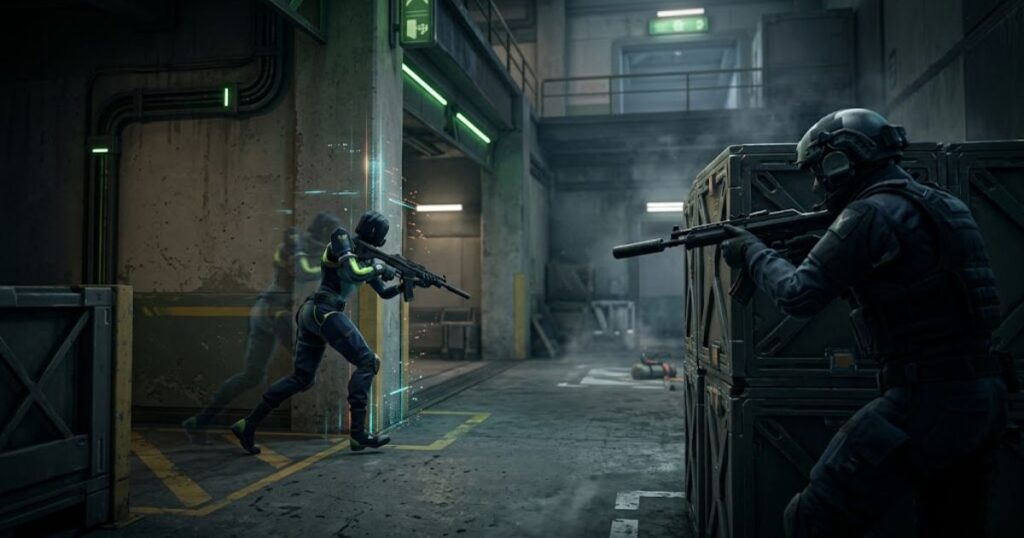
Peeker advantage exists because online multiplayer games cannot instantly synchronize information between every player and the game server. Every movement, shot, and position update must travel across networks before appearing on another player’s screen. Even with strong servers and modern netcode, some delay will always exist.
Valorant uses competitive infrastructure designed to reduce these issues, but physics and networking limitations still apply. Riot can minimize the effect, but completely eliminating peeker advantage in an online tactical shooter is impossible. Understanding this helps players stop blaming random inconsistency and start improving controllable skills instead.
The timing difference becomes especially noticeable during aggressive swings because the peeking player expects the engagement before the defender visually processes it. That proactive timing creates natural combat pressure.
Server Communication Delays
Server communication delay is one of the biggest reasons peeker advantage exists in Valorant. Every action must travel from a player’s PC to Riot’s server and then back to the opponent before appearing accurately on screen. That communication process takes measurable time even on fast internet connections.
For example, when a player swings around a corner, the server first processes the movement before updating the defending player’s screen. During that brief interval, the peeker may already see the defender while the defender still sees an empty angle. That difference creates the feeling of dying instantly during aggressive pushes.
Even though Riot’s 128-tick servers improve responsiveness significantly, online games still cannot function like offline LAN environments. Small delays will always exist because data physically needs time to travel across networks.
Human Reaction Time
Human reaction time also contributes heavily to peeker advantage because defenders must visually recognize movement before reacting. Most players react between 180ms and 250ms under normal conditions. During stressful ranked fights, reaction speed can become even slower.
The peeker already expects the duel before it happens, which mentally prepares them to shoot immediately. Meanwhile, the defender must first detect the movement, confirm the target, and then begin aiming or firing. That reaction gap creates a natural advantage for proactive players.
Players improving their Valorant click timing often become much more effective during aggressive swings because they waste less time after spotting enemies.
Movement Speed and Visual Pressure
Fast movement creates additional visual pressure on defenders because the human eye struggles to track sudden lateral motion. Wide swings force defenders to move their crosshair farther and faster under stress. That difficulty increases the effectiveness of peeker advantage.
Many players hold extremely tight static angles expecting easy kills, but wide swings punish that style heavily. The faster visual change forces the defender to adjust aim immediately instead of comfortably clicking a stationary target.
This is one reason why experienced duelists often prefer confident aggressive swings instead of slow hesitant peeks during entries.
| Factor | Effect on Gunfights | Result |
|---|---|---|
| Latency | Creates visual delay | Defender reacts later |
| Reaction Time | Slows defensive response | Peeker gains initiative |
| Wide Swinging | Increases tracking difficulty | Harder for defenders to adjust |
| Fast Time-to-Kill | Punishes hesitation heavily | Milliseconds become important |
How Ping Affects Peeker Advantage
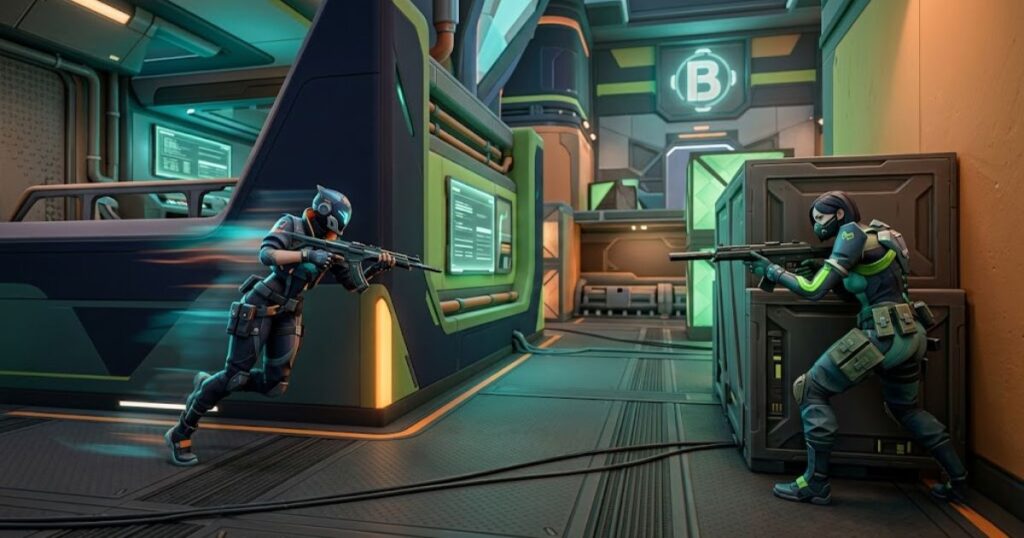
Ping affects peeker advantage because latency changes how quickly information moves between players and Riot’s servers. The lower and more stable the ping, the more responsive gameplay feels during fights. However, many players misunderstand how latency actually influences combat.
Some ranked players believe high ping automatically creates unfair advantages, but that idea is heavily exaggerated. High latency can occasionally create awkward visual interactions, yet it usually hurts long-term consistency much more than it helps. Stable low ping remains the preferred setup for competitive play.
Network stability is only one part of consistent FPS performance, because sensor accuracy, click response, weight, and shape also affect how clean each duel feels. For a broader setup breakdown, read this gaming mouse for FPS games guide before blaming every fight on ping alone.
Understanding how ping interacts with movement and server synchronization helps players stop making excuses for every lost duel. Most inconsistent gunfights come from positioning mistakes, predictable peeks, or poor mechanics instead of magical ping abuse.
Low Ping vs High Ping
Low ping players generally experience smoother gameplay because their information reaches the server faster and returns more consistently. Their shots register more reliably, and movement feels cleaner during duels. This creates a more predictable competitive environment.
High ping players may sometimes appear difficult to track because their movement updates arrive differently, but they also suffer from delayed hit registration and inconsistent feedback. They often lose fights where precise timing matters.
Most professional and high rank players strongly prefer stable low ping environments because consistency matters more than occasional strange interactions.
Why Stable Ping Matters More Than Ultra Low Ping
Stable ping is often more important than extremely low ping because consistency builds reliable muscle memory. Sudden spikes ruin movement rhythm, utility timing, and confidence during gunfights. Even good mechanics become unreliable under unstable networking conditions.
A player with steady 35ms ping usually performs better than someone constantly fluctuating between 15ms and 80ms. Stable conditions allow players to develop cleaner expectations during engagements.
This is why competitive players prioritize wired connections and nearby servers whenever possible.
Can High Ping Abuse Work?
Some players intentionally queue on distant servers believing high ping creates stronger peeker advantage. While awkward interactions may occasionally happen, overall gameplay quality usually becomes worse. Delayed hit registration and inconsistent timing eventually hurt performance.
Good decision-making and proper angle discipline create far more value than relying on unstable networking conditions. Skilled players win consistently because of positioning and mechanics, not because of artificial latency tricks.
Focusing too heavily on ping myths can distract players from improving real weaknesses in their gameplay.
| Ping Range | Gameplay Feel | Competitive Impact |
|---|---|---|
| 0-20ms | Very responsive | Ideal environment |
| 20-50ms | Smooth and stable | Excellent for ranked |
| 50-80ms | Noticeable delay | Less consistent fights |
| 80ms+ | Unstable interactions | Difficult competitive play |
How to Abuse Peeker Advantage Properly
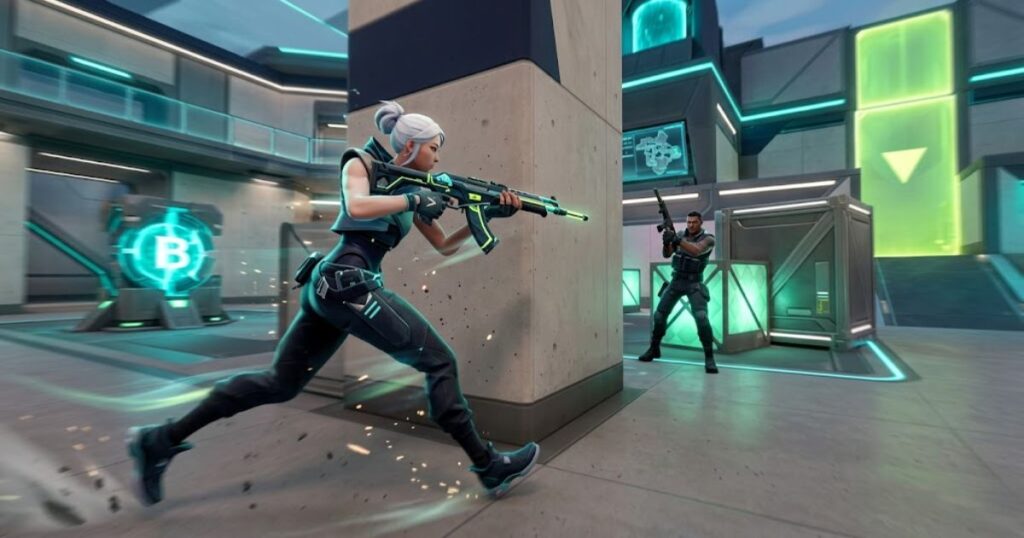
Abusing peeker advantage correctly means creating proactive fights where defenders must react under pressure. Good players combine movement, timing, utility, and crosshair placement to maximize the effectiveness of aggressive swings. The goal is to force defenders into uncomfortable situations instead of taking slow predictable fights.
However, abusing peeker advantage does not mean blindly swinging every corner without thinking. Reckless aggression still loses against disciplined defenders holding smart positions. Effective peeking requires structure and preparation.
Players who understand this mechanic often become far more dangerous entry fraggers because they stop hesitating during critical engagements.
Wide Swinging Correctly
Wide swinging is one of the most effective ways to abuse peeker advantage because it forces defenders to track large movement distances quickly. Instead of exposing only a tiny portion of the body, the player commits to a fast aggressive swing around the angle.
This style works especially well against defenders holding extremely tight static positions. The sudden lateral movement makes accurate tracking more difficult while the peeker already expects the fight before appearing.
Many high rank duelists use wide swings to create momentum during site executions and retakes.
Pre-Aiming Head Level
Crosshair placement becomes even more important when abusing peeker advantage because the timing window is extremely short. Players who still need to flick heavily after spotting enemies waste the advantage completely.
Good players pre-aim common positions before swinging so their crosshair naturally lands near enemy heads immediately. This allows them to shoot the moment they visually confirm the target.
Players studying best sensitivity for Valorant often improve aggressive consistency because cleaner sensitivity settings help maintain stable crosshair control during fast movement. Because peeker advantage fights are often decided before players have time to make large corrections, mouse choice also affects how stable those first shots feel. If you want to connect aim timing with hardware setup, this best gaming mouse for Valorant guide explains what matters most for tactical FPS control.
Using Utility Before Swinging
Utility makes peeker advantage significantly stronger because defenders must process multiple threats simultaneously. Flashbangs, recon abilities, smokes, and stuns reduce defensive comfort before the actual peek happens.
When defenders are distracted or repositioning because of utility pressure, their reaction timing becomes slower during the swing itself. This creates much easier entry opportunities.
Professional teams constantly combine utility timing with coordinated peeks because the synergy is extremely powerful.
- Use utility to pressure defenders first.
- Pre-aim the expected position before swinging.
- Commit confidently to the duel.
- Trade aggressively with teammates if necessary.
How to Counter Peeker Advantage in Valorant
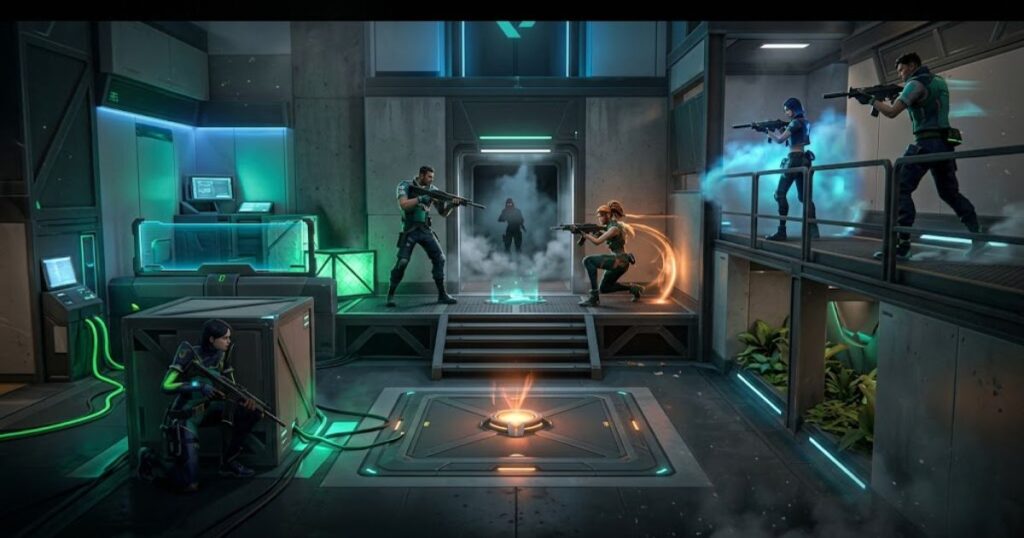
Countering peeker advantage requires disciplined positioning, unpredictable angles, and intelligent defensive movement. Players who stand completely still in common positions usually become easy targets against experienced attackers. Good defense is proactive, not passive.
Many defenders lose fights because they hold angles incorrectly rather than because peeker advantage is unbeatable. Once players improve spacing and positioning, aggressive swings become much easier to punish.
The goal is to make attackers uncomfortable instead of giving them predictable fights.
Use Off-Angles Instead of Default Angles
Off-angles work well because attackers usually pre-aim common positions before swinging. Standing slightly outside expected crosshair placement forces attackers to spend extra time adjusting aim during the duel.
That adjustment time reduces the effectiveness of peeker advantage because the attacker no longer receives a perfectly prepared engagement. Even small positioning changes can heavily influence gunfight outcomes.
Strong defenders constantly vary their positioning to remain unpredictable throughout the match.
Reposition After Every Fight
Repeating the same defensive hold multiple times makes players extremely predictable. Smart attackers quickly adapt and begin pre-firing or swinging aggressively into expected positions.
Repositioning after fights forces enemies to continuously gather information instead of relying on memory. This increases hesitation and slows aggressive pushes.
Players improving their tactical aiming in Valorant usually become stronger defenders because they focus more on positioning quality instead of relying only on raw flicks.
Play Crossfires With Teammates
Crossfires remain one of the strongest counters to peeker advantage because attackers cannot comfortably isolate both defenders at the same time. Even if the first player dies, the second teammate usually secures the trade immediately.
Coordinated team setups reduce the value of aggressive swinging because attackers face multiple threats simultaneously. This is why structured defensive play is so important in high level Valorant. Good communication transforms difficult defensive holds into favorable situations.
| Defensive Technique | Purpose | Why It Works |
|---|---|---|
| Off-Angles | Break enemy pre-aim | Forces crosshair adjustment |
| Repositioning | Avoid predictability | Attackers cannot prefire easily |
| Crossfires | Create trade potential | Overwhelms aggressive peeks |
| Utility Delay | Slow pushes | Reduces attacker momentum |
Peeker Advantage vs Holding Angles
Peeker advantage does not mean aggressive swinging is always stronger than holding angles. Both styles are powerful when used correctly in the right situations. The key difference comes from timing, utility usage, and positioning quality.
Many players become overly aggressive after learning about peeker advantage and start taking low percentage fights constantly. That approach usually creates inconsistent gameplay because defenders can still punish reckless movement easily. Understanding when to swing and when to hold separates disciplined players from emotionally reactive players.
When Holding Angles Is Strong
Holding angles becomes extremely effective when attackers are forced into predictable choke points or limited entry paths. Narrow corridors and common entrances naturally favor prepared defenders with good crosshair placement.
Utility also strengthens defensive holds because attackers must clear multiple threats before committing to fights. Smokes, flashes, and slows reduce the effectiveness of aggressive swings significantly.
Players with strong low sensitivity aiming in Valorant setups often perform very well in angle holding situations because controlled micro-adjustments become easier.
When Aggressive Swinging Is Better
Aggressive swinging works best when defenders become predictable or passive. Fast confident movement can overwhelm players holding static angles without repositioning.
Attackers also gain huge value when they swing during defender distractions, utility pressure, or rotations. Timing matters heavily because defenders cannot fully focus on multiple threats simultaneously. This is why proactive teams often feel more dangerous than purely reactive teams during ranked games.
Timing Matters More Than Mechanics Alone
Many players focus entirely on aim mechanics while ignoring timing quality. In reality, even average mechanics can become dangerous when combined with intelligent positioning and timing.
Players who consistently fight distracted opponents usually win more engagements than players who rely purely on raw flick speed. Tactical shooters reward preparation heavily. Understanding timing allows players to create easier fights instead of constantly forcing difficult reactions.
| Scenario | Better Option | Reason |
|---|---|---|
| Tight choke point | Hold angle | Predictable enemy movement |
| Distracted defender | Aggressive swing | Reduced reaction readiness |
| Crossfire setup | Hold position | Trade potential becomes strong |
| Retake pressure | Coordinated peeks | Fast momentum matters |
How Professional Players Use Peeker Advantage
Professional Valorant players intentionally build strategies around peeker advantage through utility timing, coordinated movement, and map control. They rarely take random isolated fights without preparation. Every engagement usually has structure behind it.
Watching professional gameplay carefully reveals how often teams combine flashes, drones, and synchronized swings before committing to gunfights. The goal is always to reduce uncertainty before taking engagements. This structured style is one reason professional Valorant looks much cleaner than ranked matchmaking.
Double Swings and Trade Systems
Double swinging creates massive pressure on defenders because two moving targets appear simultaneously. Even if the defender kills the first player, the second usually secures the trade immediately.
Professional teams constantly practice coordinated peeks because they reduce randomness during fights. Structured trading systems create much more consistent results over long matches. Strong teamwork often matters more than individual mechanics in high level tactical shooters.
Utility Timing Before Peeking
Professional teams almost never dry peek dangerous positions without setup utility. This is also why many serious FPS players care about mice that feel predictable during fast swings, trades, and entry timing. If you are comparing options for this kind of gameplay, check the top best gaming mouse for FPS games in 2026 list for broader FPS-focused picks. Recon tools, flashes, smokes, and stuns all help create easier engagements before the actual swing happens.
Utility pressure reduces defender comfort and slows reaction speed significantly. By the time the peek arrives, defenders are already processing multiple threats simultaneously. This layered pressure amplifies peeker advantage heavily during coordinated executes.
Information Control
Information gathering is another major reason professionals abuse peeker advantage effectively. Knowing where defenders are positioned allows attackers to pre-aim correctly before swinging.
The less uncertainty attackers face, the easier it becomes to capitalize on visual timing advantages. Good information transforms difficult fights into highly favorable situations.
Players improving their Valorant tracking aim often notice stronger consistency when combining smoother mechanics with better information usage.
- Professional players rarely take random isolated fights.
- Utility timing increases peeker advantage effectiveness.
- Trading systems reduce defensive survival chances.
- Information control improves pre-aim consistency.
Common Mistakes Players Make With Peeker Advantage
Many ranked players misunderstand peeker advantage and develop extremely reckless habits because they think swinging automatically guarantees wins. In reality, poor movement and bad crosshair placement still lose fights constantly.
Understanding the limits of peeker advantage is just as important as understanding its strengths. Aggression without structure quickly becomes predictable and punishable. Players improve much faster once they stop relying on excuses and start analyzing their positioning decisions honestly.
Swinging Without Proper Crosshair Placement
Many players swing aggressively but keep their crosshair too low or too far from common enemy positions. That mistake wastes the timing advantage completely because they still need large aim corrections after spotting enemies.
Good peeking always combines movement with disciplined pre-aiming. The crosshair should already be near head level before the fight visually begins.
Strong mechanics amplify peeker advantage instead of replacing it.
Repeeking Predictable Angles
Repeeking the same position repeatedly makes players extremely easy to punish. Once defenders understand the timing and movement pattern, they can prefire or reposition effectively.
Good players constantly vary their timing and positioning after every engagement. Unpredictability creates pressure during tactical shooters. Static repetitive gameplay becomes weaker the higher the rank climbs.
Blaming Ping for Every Death
Many players blame ping every time they lose a duel, even when the real issue is poor positioning or bad timing. While networking does affect gameplay, most ranked inconsistency comes from decision-making errors instead.
Focusing too heavily on latency myths prevents players from improving controllable fundamentals. Strong players review their own mistakes first before blaming external factors.
Improvement becomes much faster once players accept responsibility for positioning and movement choices.
| Common Mistake | Why It Fails | Better Alternative |
|---|---|---|
| Dry wide swinging | Easy punish without utility | Use setup utility first |
| Bad pre-aim | Wastes timing window | Maintain head-level crosshair |
| Repeeking constantly | Creates predictability | Reposition after fights |
| Blaming ping only | Prevents self-improvement | Review movement and positioning |
FAQ About Valorant Peeker Advantage
These FAQs answer the most common questions players have after learning how peeker advantage works in Valorant. They focus on practical ranked situations, including ping, wide swings, angle holding, and how to stop losing unfair-looking duels. Use this section as a quick reference when you want the direct answer without rereading the full guide.
What is peeker advantage in Valorant?
Peeker advantage is the timing edge a moving player gets when swinging an angle before the defender fully sees them on screen.
Why does peeker advantage happen?
It happens because of server communication delay, movement synchronization, and human reaction time during online gameplay.
Does high ping increase peeker advantage?
High ping can create strange visual interactions, but stable low ping is usually much better for consistent competitive performance.
Are wide swings stronger than slow peeks?
Wide swings are often harder to track because they force defenders to react to fast lateral movement under pressure.
Can defenders still beat peeker advantage?
Yes. Off-angles, utility usage, repositioning, and crossfires can reduce the effectiveness of aggressive swings significantly.
Why do I die instantly while holding angles?
You may be holding predictable positions, reacting slowly, or exposing yourself to wide swings without proper spacing.
Do professional players abuse peeker advantage?
Yes. Professional teams intentionally combine movement, utility, and timing to create favorable engagements during executes.
Does sensitivity affect peeker advantage fights?
Yes. Sensitivity influences tracking control, flick consistency, and crosshair stability during fast engagements.
Should I always swing aggressively in Valorant?
No. Smart aggression works best when combined with information, utility, and good positioning instead of reckless movement.
What role benefits most from peeker advantage?
Duelists benefit heavily because they often create space through aggressive entry fights and fast site pressure.
Does Riot reduce peeker advantage?
Riot uses 128-tick servers and networking systems to reduce latency problems, but online games cannot remove peeker advantage completely.
Is peeker advantage stronger in ranked than pro play?
It often feels stronger in ranked because coordination and defensive setups are usually less disciplined than professional matches.
Conclusion
Peeker advantage is one of the most important mechanics to understand in Valorant because it directly affects how every gunfight feels online. Players who understand timing, movement, and positioning stop taking random fights and start creating favorable engagements instead. Rather than blaming ping or unlucky deaths constantly, strong players learn how to combine utility, crosshair placement, and confident swings to pressure defenders properly.
At the same time, smart defenders can still counter aggressive peeks through positioning, off-angles, crossfires, and disciplined utility usage. Valorant rewards players who think about timing and information just as much as aim mechanics.
Thanks for reading this guide on Valorant peeker advantage explained, and hopefully it helps you take smarter fights in your next ranked games.