
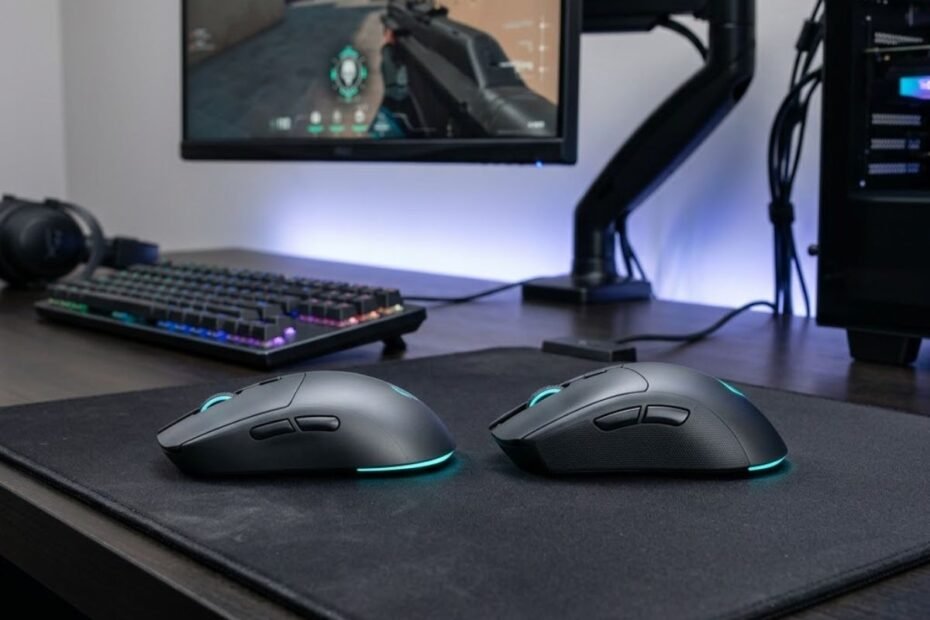
A low hump vs high hump mouse comparison helps FPS players understand how mouse back height changes hand support, movement freedom, and aim control. Low hump mice usually feel faster and more mobile, while high hump mice usually feel more stable and supportive.
This matters because mouse shape is not just about comfort. It changes how your fingers, palm, and wrist interact with the mouse during flick shots, tracking, recoil control, and micro adjustments. If you are still comparing broader shape factors, this guide connects naturally with our best mouse shape for aiming breakdown.
The goal is not to prove that one hump height is better for everyone. The goal is to help you understand which shape fits your aim style, hand contact preference, and FPS games more consistently.
What Is the Difference Between a Low Hump and a High Hump Mouse?
A low hump mouse is a gaming mouse with a lower back profile that helps create more hand freedom, while a high hump mouse is a gaming mouse with a taller back profile that helps create more palm support and stability. The main difference is how much the mouse pushes into your palm and how much space your fingers have to control movement. This changes the way the mouse feels during fast aim corrections and controlled tracking.
Low hump designs usually leave more open space under the palm. That makes the mouse feel easier to lift, reposition, and steer with finger movement. High hump designs usually fill more of the hand, which can make the mouse feel more planted and easier to stabilize during slower, controlled movements.
How Mouse Hump Height Changes Hand Position
Mouse hump height is the raised back area of the mouse that changes where your palm rests and how your fingers angle toward the buttons. A lower hump usually keeps the hand flatter and more mobile. A higher hump usually raises the rear of the hand and creates stronger palm contact.
This change may sound small, but it can feel very noticeable in FPS games. When the hump is lower, your hand has more room to move independently from the shell. When the hump is higher, the mouse feels more connected to the hand.
In short, hump height changes the relationship between hand freedom and hand support.
How Low and High Humps Create Different Contact Points
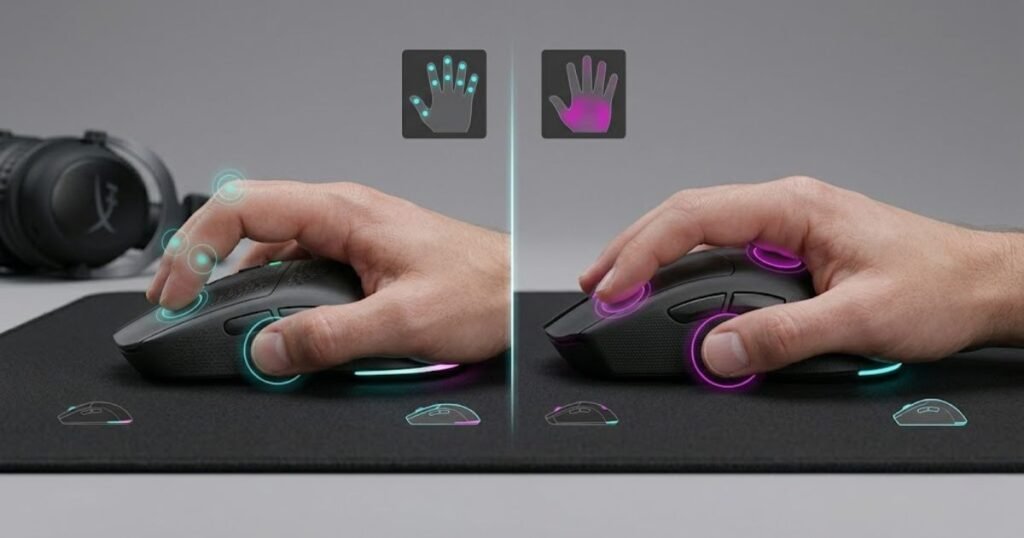
Low and high humps create different contact points by changing how much of your palm, fingers, and lower hand touch the mouse shell. A low hump often reduces palm contact and gives the fingers more control. A high hump often increases rear palm contact and makes the mouse feel more secure.
For a clearer visual comparison, consider the difference in hump height shown below:
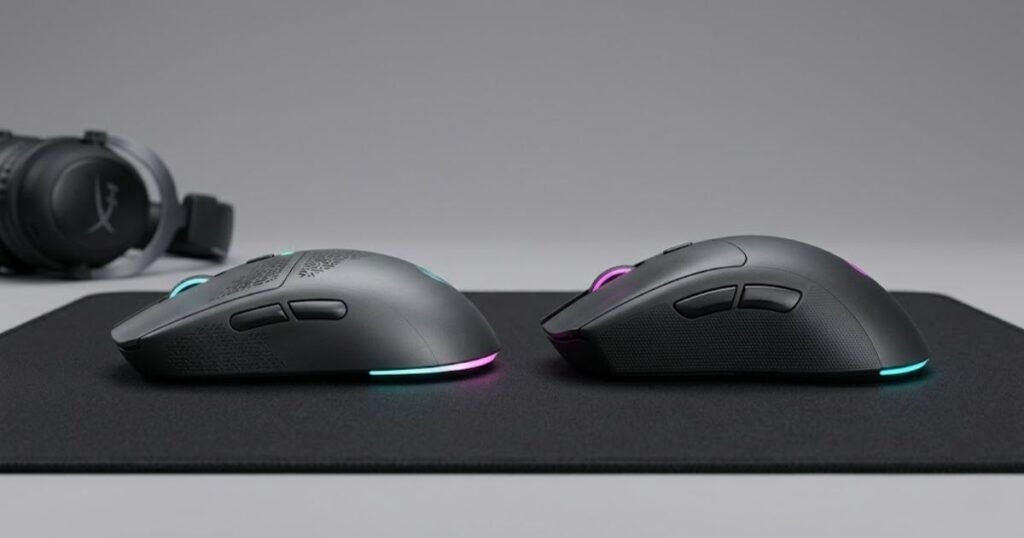
For FPS players, contact points matter because they influence how the mouse reacts to pressure. A player who uses more finger control may prefer less palm interference. A player who wants the mouse to feel locked into the hand may prefer more rear support.
The better shape is the one that gives you stable control without making your hand feel trapped.
Why Hump Height Matters More Than Many FPS Players Realize
Hump height matters because it affects how naturally your hand can guide the mouse during repeated aim movements. In FPS games, the same motion happens hundreds of times in one session. A small shape mismatch can slowly create tension, inconsistency, or overcorrection.
Some players blame sensitivity, DPI, or mouse weight when the real problem is shape contact. If the hump pushes into the wrong part of the palm, your hand may fight the mouse instead of controlling it naturally.
The table below compares the key structural differences between low hump and high hump mouse designs:
| Shape Factor | Low Hump Mouse | High Hump Mouse |
|---|---|---|
| Back height | Lower rear profile | Taller rear profile |
| Palm contact | Less palm support | More palm support |
| Finger mobility | More finger freedom | More locked-in feel |
| Wrist movement | Usually easier to adjust quickly | Usually more stable but less free |
| Overall feel | Fast, open, and mobile | Supported, stable, and controlled |
To conclude, the difference between a low hump and a high hump mouse is not just height. It is the way the mouse changes hand contact, movement freedom, and control pressure during FPS gameplay.
How Does Mouse Hump Height Affect FPS Aiming Mechanics?
Mouse hump height helps change FPS aiming mechanics by affecting how your hand applies pressure, corrects movement, and stabilizes the mouse during flicking, tracking, and micro adjustments. A low hump can make aim feel more responsive, while a high hump can make aim feel more controlled.
This is why two mice with similar weight, sensor quality, and button layout can still feel completely different in-game. The hump decides how your hand sits on the shell, and that changes how naturally you can repeat the same aim motion.
How Low Humps Influence Flick Shot Execution
Low humps help flick shots by giving the hand more room to move quickly without heavy palm contact slowing the motion. This can make the mouse feel easier to snap across the pad and easier to reposition after a wide movement.
Players who rely on fast directional changes may enjoy this feeling because the mouse does not feel deeply locked into the hand. It can feel easier to make sudden corrections when switching targets or clearing angles.
Low humps are not automatically better for flicking, but they often feel more agile for players who aim with lighter hand contact.
How High Humps Influence Tracking Stability
High humps help tracking stability by giving the hand more surface support and making the mouse feel more planted during continuous movement. This can help when you need to keep your crosshair attached to a moving target.
Because the rear of the mouse fills more of the palm, the hand may feel less floaty during long tracking motions. This can be useful in games where targets move quickly across the screen and require steady correction.
High humps are not always slower, but they often feel more controlled for players who prefer stronger hand contact.
How Hump Height Affects Micro Adjustments and Recoil Control
Hump height affects micro adjustments by changing whether small corrections come more from the fingers, palm, or wrist. A lower hump can make tiny finger adjustments easier. A higher hump can make small movements feel more stable because the mouse has more hand support.
For recoil control, the difference depends on how you pull the mouse downward. If you use more fingertip movement, a lower hump may feel easier to guide. If you use more palm and wrist pressure, a higher hump may feel steadier.
The table below explains how low hump and high hump mice affect common FPS aiming mechanics:
| Aiming Mechanic | Low Hump Mouse | High Hump Mouse |
|---|---|---|
| Flick shots | Usually feels faster and easier to reposition | Usually feels more controlled but less free |
| Tracking | Can feel agile but less supported | Can feel smoother and more stable |
| Micro adjustments | Often easier for finger-based corrections | Often steadier for palm-supported corrections |
| Recoil control | Better for players who guide with fingers | Better for players who guide with palm pressure |
| Aim consistency | Depends on relaxed hand control | Depends on stable hand support |
To conclude, low hump mice often support faster, more flexible aim mechanics, while high hump mice often support steadier, more controlled aim mechanics. Neither is automatically superior because both shapes serve different FPS control styles.
Why Many Competitive FPS Players Prefer Low Hump Mice
Low hump mice are popular among competitive FPS players because they help create a lighter and more mobile feeling during mouse movement. Instead of filling a large portion of the palm, a low hump leaves more open space between the shell and the hand. This often creates a sensation of freedom that many players enjoy during fast-paced gameplay.
While hump height alone does not determine performance, it can influence how natural the mouse feels during long gaming sessions. Many players who dislike feeling restricted by their mouse shape often gravitate toward lower hump designs.
Greater Finger Mobility During Fast Movements
Low hump mice help increase finger mobility by reducing how much the shell presses against the palm. With less rear support touching the hand, players often feel more freedom to guide the mouse using finger movements.
This increased mobility can make the mouse feel more responsive during rapid direction changes. Instead of moving the entire hand as one unit, players may find it easier to make subtle adjustments through finger control.
As a result, many FPS players describe low hump shapes as feeling lighter and more agile even when the actual mouse weight remains unchanged.
Easier Mouse Repositioning During Aggressive Gameplay
Low hump designs often make repositioning easier because there is less palm contact holding the mouse in place. During intense matches, players frequently lift, reset, and reposition their mouse on the pad.
The example below shows how a low hump design creates a more open hand position:
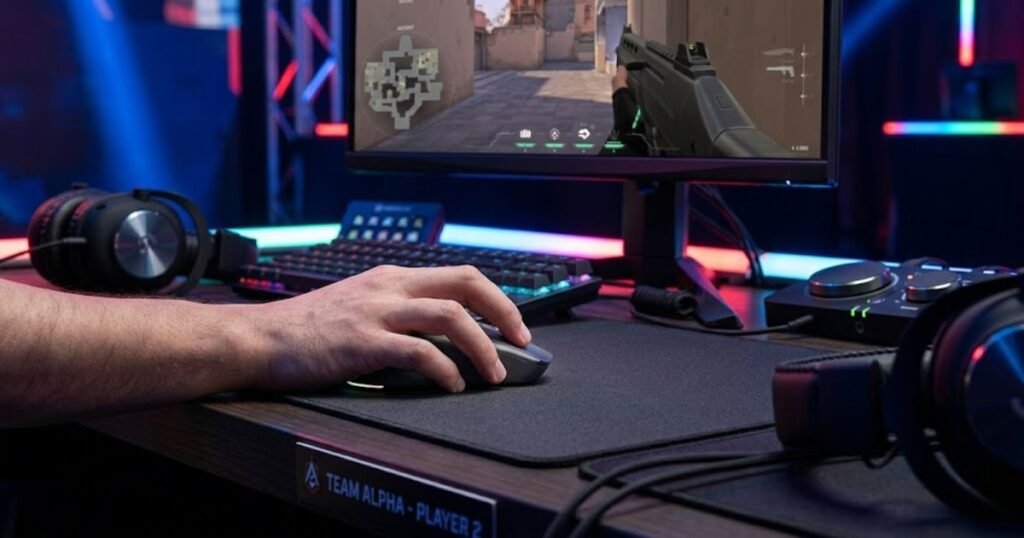
A lower rear profile can reduce the sensation of dragging the hand across the shell during these resets. This contributes to a more fluid overall experience, especially for players who use large arm movements.
The result is a shape that often feels less restrictive when frequent mouse repositioning becomes necessary.
Why Low Humps Feel Faster for Some Players
Low hump mice often feel faster because the hand experiences fewer physical contact points with the shell. This perception of speed does not necessarily come from actual cursor movement. Instead, it comes from how freely the mouse moves beneath the hand.
When players feel less resistance from palm contact, they may describe the mouse as more reactive and energetic. This is one reason many modern lightweight gaming mice use relatively low hump profiles.
The feeling of speed ultimately comes from freedom of movement rather than raw performance specifications.
Potential Drawbacks of Low Hump Designs
Low hump mice are not perfect because increased freedom can sometimes reduce the feeling of support. Players who prefer a more connected or secure grip may find low hump designs less comfortable during extended use.
Some users also report that very low hump shapes can feel less stable when fatigue begins to build. The reduced palm contact that creates mobility may also reduce the sensation of control for certain hand positions.
The factors below explain the most common advantages associated with low hump mice:
- Greater mobility: Allows the hand to move more freely around the shell.
- Reduced palm interference: Creates a more open feeling during movement.
- Easier repositioning: Often feels simpler to lift and reset on the mouse pad.
- More finger involvement: Encourages finger-based control styles.
- Agile handling: Frequently feels quicker and less restrictive.
These advantages help explain why low hump mice remain popular among players who prioritize freedom of movement and a lightweight handling experience.
To conclude, low hump mice appeal to players who value mobility, flexibility, and an open hand feel more than maximum palm support.
Why Many Competitive FPS Players Prefer High Hump Mice
High hump mice are popular among competitive FPS players because they help create a stronger sense of support and stability inside the hand. By filling more of the palm area, a higher hump can make the mouse feel more connected to the user’s grip.
For many players, this additional support creates confidence during long gaming sessions. Rather than emphasizing freedom of movement, high hump shapes focus on creating a secure and predictable feeling.
Stronger Palm Support and Hand Lock-In
High hump mice help increase palm support by providing a larger contact area against the hand. This allows the mouse to feel more anchored during movement and can reduce the sensation of the shell floating beneath the palm.
The image below highlights how a higher hump creates additional palm support:
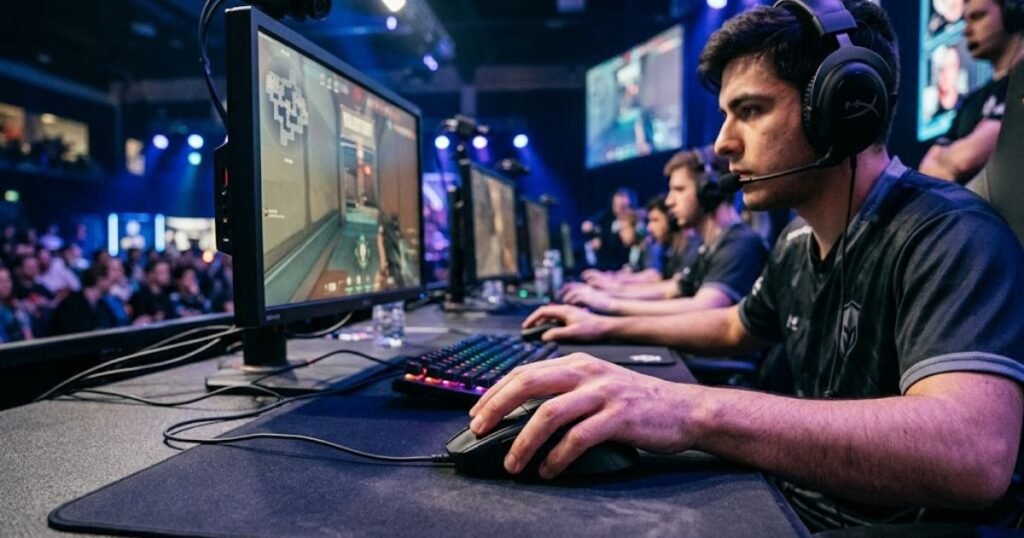
Many players enjoy this because the mouse feels more integrated with the hand. The increased contact can make movements feel deliberate and controlled rather than loose.
For users who prioritize stability, this stronger support often becomes one of the biggest advantages of a higher hump profile.
Improved Stability During Extended Play Sessions
High hump designs often feel more stable over long periods because they help distribute contact across a larger portion of the hand. Instead of relying heavily on fingers alone, the mouse shares support with the palm.
This can create a more relaxed grip during extended gameplay. Some players find that the additional support reduces the need to constantly readjust their hand position.
The result is often a shape that feels dependable and predictable throughout long sessions.
Why Some Players Feel More Confident With High Humps
Many players prefer high humps because increased support can create a stronger feeling of control. Even when objective performance remains similar, confidence can influence how comfortable a player feels using a mouse.
A higher hump often gives the impression that the mouse is firmly connected to the hand. This psychological sense of control is one reason why some competitive players remain loyal to taller hump designs.
The perception of confidence is often just as important as technical specifications when selecting a mouse shape.
If overall shell structure is also part of your decision process, our symmetrical vs ergonomic mouse shape guide explores another major factor that changes how a mouse feels in the hand.
Potential Drawbacks of High Hump Designs
High hump mice are not ideal for everyone because additional support can sometimes reduce freedom of movement. Players who prefer a more open and mobile grip may find taller humps restrictive.
A larger rear profile can also make certain mice feel bulkier than they actually are. While this added support benefits some users, others may feel that it limits natural hand movement.
The factors below explain the most common advantages associated with high hump mice:
- Stronger support: Creates more palm contact and stability.
- Secure handling: Helps the mouse feel connected to the hand.
- Consistent grip feel: Often reduces the need for constant readjustment.
- Long-session comfort: Can feel less demanding for support-focused users.
- Predictable movement: Frequently provides a more planted sensation.
These advantages explain why many competitive players continue choosing higher hump profiles despite the popularity of lower hump designs.
To conclude, high hump mice appeal to players who prioritize support, stability, and a secure hand connection over maximum movement freedom.
Which Hump Height Performs Better Across Different FPS Game Styles?
The best hump height for FPS gaming depends on the type of gameplay a title demands rather than a universal performance advantage. Different FPS games reward different aiming behaviors. Some emphasize precise first-shot accuracy, while others require continuous target tracking and rapid movement.
Because of this, the same mouse shape can feel excellent in one game and less natural in another. Understanding gameplay requirements helps players evaluate shape preferences more effectively.
Performance in Tactical FPS Games
Tactical FPS games often reward precision, consistency, and disciplined crosshair placement over constant movement. Titles such as Valorant and Counter-Strike 2 focus heavily on accurate first shots and controlled engagements.
In these environments, both low and high hump designs can perform well depending on the player’s preferred level of support. Some players prefer the freedom of a lower hump, while others prefer the stability provided by a higher rear profile.
The deciding factor is often how the player naturally controls the mouse during repeated engagements rather than the game itself.
Performance in Tracking-Heavy FPS Games
Tracking-heavy FPS games place greater emphasis on maintaining smooth control while targets move continuously across the screen. Apex Legends, Overwatch 2, and similar titles frequently require sustained target tracking rather than isolated flick shots.
Because engagements last longer and movement patterns are more dynamic, some players favor additional support while others prioritize unrestricted movement. Shape preference often becomes more noticeable during these extended tracking sequences.
Ultimately, the ideal hump height depends on how comfortably a player can maintain control during constant movement.
Performance in Hybrid FPS Titles
Hybrid FPS games combine tactical precision and continuous movement, creating a balance between multiple aiming demands. These games often reward players who can transition smoothly between flicking, tracking, repositioning, and target switching.
For this reason, many players seek a shape that feels balanced rather than extreme. A mouse that performs well across multiple aiming situations may offer more value than one optimized for only a single mechanic.
The most versatile hump height is usually the one that feels natural across different engagement scenarios.
The table below compares hump height suitability across different FPS game styles:
| Game Type | Low Hump Advantage | High Hump Advantage |
|---|---|---|
| Valorant | Fast repositioning feel | Stable hand support |
| CS2 | Responsive movement feel | Consistent control feel |
| Apex Legends | Agile target switching | Sustained control feeling |
| Overwatch 2 | Dynamic movement handling | Steadier hand positioning |
| Marvel Rivals | Fast directional flexibility | Stable overall support |
To conclude, different FPS genres reward different control preferences, making personal comfort and consistency more important than following a single shape trend.
How Mouse Hump Height Influences Long-Term Comfort and Fatigue
Mouse hump height influences long-term comfort by changing how support, pressure, and contact are distributed across the hand during extended gaming sessions. While immediate comfort is easy to notice, long-term fatigue often appears only after several hours of play.
Many players focus on performance characteristics when choosing a mouse but underestimate how shape comfort can influence consistency over time. A shape that feels comfortable for ten minutes may feel very different after several competitive matches.
Comfort Characteristics of Low Hump Designs
Low hump mice often create a lighter and less restrictive feeling during long gaming sessions. Because they generally reduce rear palm contact, some players feel less confined while moving the mouse.
This open sensation can make the hand feel relaxed during active gameplay. However, comfort remains highly individual because different players prefer different levels of support.
Many users appreciate low hump designs because they create a natural sense of freedom rather than a heavily supported grip.
Comfort Characteristics of High Hump Designs
High hump mice often create a stronger feeling of support by filling more of the palm area. This added contact can help some players maintain a comfortable hand position throughout long sessions.
For users who enjoy feeling connected to the mouse, a higher hump may provide a reassuring level of support. The shape can encourage a more consistent hand position from match to match.
Comfort preferences vary significantly, but support-oriented users often gravitate toward taller hump profiles.
How Fatigue Can Influence Aim Consistency
Fatigue can influence aim consistency because physical discomfort gradually affects movement quality and concentration. Even a technically excellent mouse may become difficult to use if the shape causes unnecessary strain over time.
When players become uncomfortable, they may begin adjusting their grip more frequently or changing hand position during gameplay. These subtle changes can reduce consistency during competitive matches.
Finding a shape that remains comfortable over long sessions is often more important than chasing small theoretical performance differences.
The table below compares long-session comfort characteristics between low hump and high hump mouse designs:
| Comfort Factor | Low Hump Mouse | High Hump Mouse |
|---|---|---|
| Palm support | Lower | Higher |
| Open hand feeling | Stronger | Lower |
| Grip stability | Moderate | High |
| Support during long sessions | Preference dependent | Preference dependent |
| Comfort consistency | User dependent | User dependent |
To conclude, long-term comfort should be evaluated over extended play sessions because fatigue and consistency often reveal shape preferences more accurately than short-term testing.
Common Misconceptions About Low Hump and High Hump Mouse Shapes
Many FPS players misunderstand mouse hump height because shape discussions are often influenced by trends, professional player setups, and personal opinions rather than individual fit. As a result, players sometimes choose a shape for the wrong reasons and become frustrated when it does not improve their performance.
The reality is that hump height is not a ranking system where one option is objectively superior. Instead, it is a design variable that changes how a mouse interacts with different users.
Higher Humps Are Not Always More Accurate
A higher hump does not automatically make a mouse more accurate. Some players assume that additional support guarantees better precision, but accuracy ultimately depends on how naturally a player controls the mouse.
A shape that feels stable for one user may feel restrictive for another. Accuracy comes from repeatable movement patterns rather than hump height alone.
For this reason, players should avoid treating support and precision as interchangeable concepts.
Lower Humps Are Not Always Faster
A lower hump does not automatically make a mouse faster. While many players associate low hump shapes with agility and freedom, speed still depends on technique, sensitivity, and individual control habits.
Some players feel quicker with lower humps because the shape feels less restrictive. Others may feel less confident and therefore move more cautiously.
The perception of speed is often influenced by comfort and familiarity rather than shape alone.
Professional Players Do Not Use One Universal Shape
Professional FPS players use a wide variety of mouse shapes because individual preferences differ significantly. Looking at esports equipment databases quickly reveals that successful players use low humps, high humps, symmetrical shells, ergonomic shells, and everything in between.
Copying a professional player’s mouse may be useful for research, but it should not replace personal testing and evaluation.
What works for a professional player may not match your hand habits, preferences, or playstyle.
Comfort Does Not Always Equal Better Performance
A mouse that feels comfortable immediately is not always the mouse that produces the best long-term performance. Initial comfort can sometimes come from familiarity rather than genuine compatibility.
Some players require a short adjustment period before a new shape begins to feel natural. Judging a shape too quickly may prevent you from finding a better long-term option.
Performance and comfort often overlap, but they should still be evaluated separately.
The factors below explain the most common misconceptions about mouse hump height:
- Higher means more accurate: Accuracy depends on control habits, not hump height alone.
- Lower means faster: Speed is influenced by technique, confidence, and familiarity.
- Pros use the best shape: Professional players use many different hump profiles.
- Comfort equals performance: Immediate comfort does not always predict long-term results.
- One shape fits everyone: Shape preference varies significantly between individuals.
These misconceptions often lead players toward unnecessary purchases and unrealistic expectations when comparing mouse shapes.
To conclude, understanding the limitations of common shape myths can help players make more informed decisions when choosing between low hump and high hump designs.
How to Choose the Right Mouse Hump Height for Your FPS Playstyle
The best way to choose a mouse hump height is to evaluate how you prefer to control the mouse rather than searching for a universally superior shape. The goal is to identify which design feels most natural during real gameplay situations.
Instead of focusing on marketing claims or professional recommendations, players should analyze their own movement habits and preferences. This approach usually produces more reliable results.
Identify Your Primary Aim Style
Your aiming style is one of the most important factors when evaluating mouse shape. Some players prefer highly active hand movement, while others rely on a more controlled and deliberate approach.
Understanding how you naturally interact with the mouse can help narrow your shape preferences before testing specific models.
Aim style often reveals more about shape compatibility than technical specifications.
Evaluate Your Preferred Level of Hand Support
Different players prefer different levels of physical support from a mouse. Some enjoy a shape that feels open and unrestricted, while others prefer a shell that provides strong contact and structure.
Neither preference is inherently correct. The objective is simply to determine which type of support allows you to maintain consistent control.
Knowing your support preference can eliminate many unsuitable options immediately.
Consider the Types of FPS Games You Play Most
The games you spend the most time playing can influence which shape characteristics feel most comfortable. Different titles place different demands on movement patterns, engagement ranges, and aiming behavior.
This does not mean a specific game requires a specific hump height. However, understanding your gaming habits can help provide useful context during shape evaluation.
Shape selection becomes easier when viewed through the lens of actual gameplay requirements.
Test Shape Adaptation Before Making a Final Judgment
Testing a mouse over multiple sessions provides a more reliable evaluation than making a decision after a few minutes. Initial impressions can be misleading because every new shape feels unfamiliar at first.
Players should allow time for adaptation before deciding whether a shape genuinely improves comfort and consistency. This helps separate temporary discomfort from actual incompatibility.
If you are still evaluating broader gaming mouse factors, our gaming mouse for fps games guide provides a complete overview of shape, weight, sensor performance, and other important considerations.
The following process can help you choose the right mouse hump height:
- Identify your movement habits: Determine how you naturally control the mouse during gameplay.
- Evaluate support preferences: Decide whether you prefer an open feel or stronger hand support.
- Review your game library: Consider the FPS titles you play most often.
- Test consistently: Use a shape long enough to move beyond first impressions.
- Compare long-term results: Focus on consistency rather than novelty.
Following this process can help reduce guesswork and make shape selection more objective.
To conclude, the right hump height is usually the one that complements your movement habits, support preferences, and long-term consistency goals rather than following industry trends.
Low Hump vs High Hump Mouse: Which One Should You Choose?
The right choice depends on how you want a mouse to feel during gameplay rather than which hump profile is objectively better. Low hump and high hump mice both perform well in competitive FPS games, but they serve different user preferences.
At this stage, the goal is not to identify a winner. The goal is to determine which shape characteristics align most closely with your personal control style and long-term consistency goals.
Who Should Choose a Low Hump Mouse?
Low hump mice are often a better choice for players who prioritize movement freedom and a more open hand feel. These users typically enjoy shapes that feel agile, responsive, and less restrictive during gameplay.
Players who dislike heavy palm contact or prefer an unrestricted feeling often find low hump designs easier to enjoy over time.
For many users, low hump mice provide a balance of mobility and flexibility that feels natural during competitive play.
Who Should Choose a High Hump Mouse?
High hump mice are often a better choice for players who value support, structure, and a more connected grip feeling. These users usually prefer a mouse that feels planted inside the hand.
The additional support can create confidence and predictability, especially for players who enjoy a stable overall experience.
Many users choose high hump shapes because they prefer support over maximum freedom of movement.
When a Medium Hump Mouse May Be the Better Solution
A medium hump mouse may be the best option when neither extreme feels completely comfortable. Some players enjoy characteristics from both low and high hump designs and prefer a more balanced approach.
The comparison below summarizes the overall experience offered by different hump profiles:
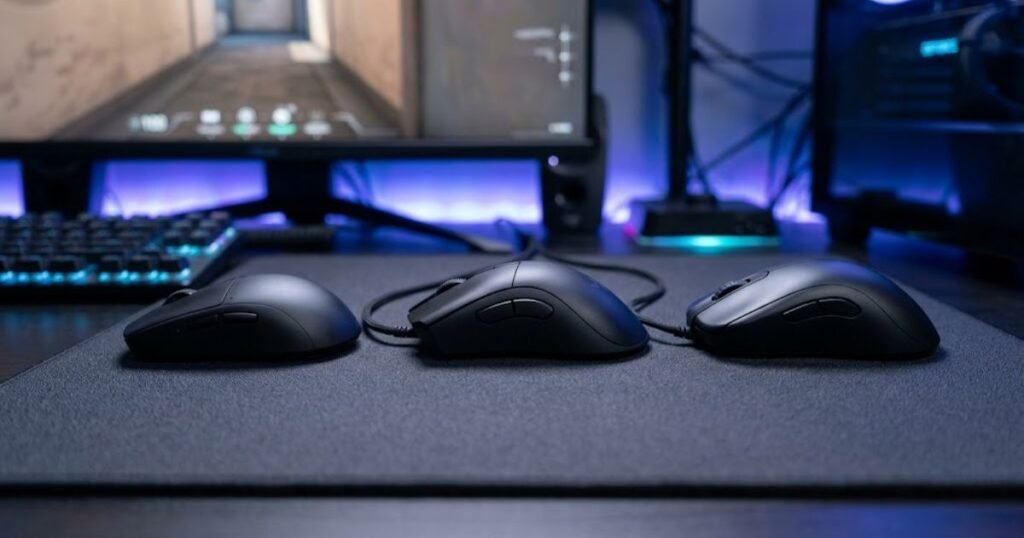
A moderate hump profile can provide a blend of mobility and support without strongly favoring either direction.
This is one reason many popular gaming mice sit somewhere between very low and very high hump profiles.
The table below helps summarize which hump profile may fit different player preferences:
| Player Preference | Recommended Shape |
|---|---|
| Maximum movement freedom | Low hump |
| Strong palm support | High hump |
| Open hand feeling | Low hump |
| Secure hand connection | High hump |
| Balanced experience | Medium hump |
| Unsure of preference | Test multiple profiles |
If you are currently shopping for a new mouse, our top best gaming mouse for fps games in 2026 guide can help narrow your options further.
To conclude, low hump and high hump mice both remain viable options for competitive FPS players because each shape solves a different comfort and control preference.
Final Verdict: Is a Low Hump or High Hump Mouse Better for FPS Gaming?
No hump profile is universally better because every FPS player interacts with mouse shape differently. What feels perfect for one player may feel uncomfortable or restrictive for another.
Low hump mice generally appeal to players who enjoy freedom and mobility. High hump mice generally appeal to players who enjoy support and stability. Neither approach guarantees better performance without considering personal preference.
The best long-term solution is to evaluate shape through real gameplay experience and focus on consistency rather than trends.
In the end, the ideal hump height is the one that helps you feel confident, comfortable, and repeatable every time you place your hand on the mouse.
Frequently Asked Questions About Low Hump vs High Hump Mice
The questions below address additional concerns that FPS players commonly have when comparing low hump and high hump mouse shapes.
Can hump height affect mouse lift-off behavior?
Yes, hump height can influence how a mouse feels during lift-offs because it changes how the hand grips the shell. However, actual lift-off performance depends more on user technique than hump height alone.
Do professional Valorant players prefer low hump mice?
No, professional Valorant players use a wide range of hump profiles. There is no universal hump preference among top-level competitors.
Can changing hump height improve aim consistency?
Yes, if your current shape feels uncomfortable or unnatural. A better-fitting shape may help create more repeatable mouse control over time.
Is hump height more important than mouse weight?
Not necessarily. Shape and weight influence different aspects of the user experience, and both should be considered together.
Should beginners start with a low hump or high hump mouse?
Beginners should start with whichever shape feels most natural. Comfort and confidence are usually more important than following trends.
Can hand size determine the best hump height?
Hand size can influence shape preference, but it does not automatically determine the best hump profile. Personal comfort remains the deciding factor.
Do symmetrical mice always use lower humps?
No. Symmetrical mice are available with low, medium, and high hump profiles depending on the design goals of the manufacturer.
Can hump height affect wrist comfort?
Yes, it can. Different hump profiles change hand positioning, which may influence comfort during extended sessions.
How long should I test a new hump profile?
Testing for at least one to two weeks is usually recommended. This allows enough time to adapt before making a final judgment.
Can a high hump mouse feel smaller than a low hump mouse?
Yes. Overall mouse dimensions and shell design can influence perceived size more than hump height alone.
Why do some players switch hump heights after years of using one shape?
Preferences can evolve as playstyles, games, and comfort requirements change over time. Shape preference is rarely permanent.
Is there a perfect hump height for all FPS games?
No. The best hump height depends on the individual player rather than the game itself.
Conclusion
Low hump and high hump mice are both effective FPS gaming shapes, but they deliver different experiences rather than different levels of performance. Low hump designs generally appeal to players who enjoy movement freedom, agility, and a more open hand feel. High hump designs generally appeal to players who prefer support, stability, and a stronger connection between the mouse and the hand.
Throughout this comparison, we have seen that hump height influences hand positioning, aiming behavior, gameplay preferences, comfort characteristics, and long-term consistency. However, none of these factors automatically make one hump profile better than the other. The most important factor remains how naturally the shape fits your personal playstyle.
If you are still unsure which direction to take, focus on identifying the qualities you value most during gameplay. Players who prioritize freedom and flexibility often gravitate toward lower hump designs, while players who prioritize support and structure often gravitate toward higher hump designs.
Ultimately, the best mouse hump height is the one that allows you to maintain confidence, comfort, and consistency every time you play. A shape that feels natural in your hand will almost always outperform a shape that only looks good on paper.
Thanks for reading GearTP.